
Ductless Mini-Split Installation
Ductless mini-splits,
installed on Long Island.
On Long Island, a single-zone ductless mini-split usually takes 4 to 8 hours to install; multi-zone takes 1 to 2 days (Bryant). We plan the zones, outdoor unit and circuit. Our installation partner does the install.
- Heats and cools, no ducts
- Zones planned room by room
- Installed through our partner
- PSEG rebate checked first
Ductless mini-split installation
Planned by zone.
Installed through our partner.
Planned room by room
Each indoor head is placed for the room it serves, so the line set, drain and wall opening are known before the quote.
Installed through our partner
EnergiSense plans and quotes the job. The installation is done by EnergiSense’s installation partner.
Founder-led intake
Your request goes to Alex, not a lead aggregator or call center.
Mini-split decision
Count the zones.
Then plan each one.
Six things decide what your ductless install looks like and what it costs. We work through each one before the proposal is written.
01
Zone plan
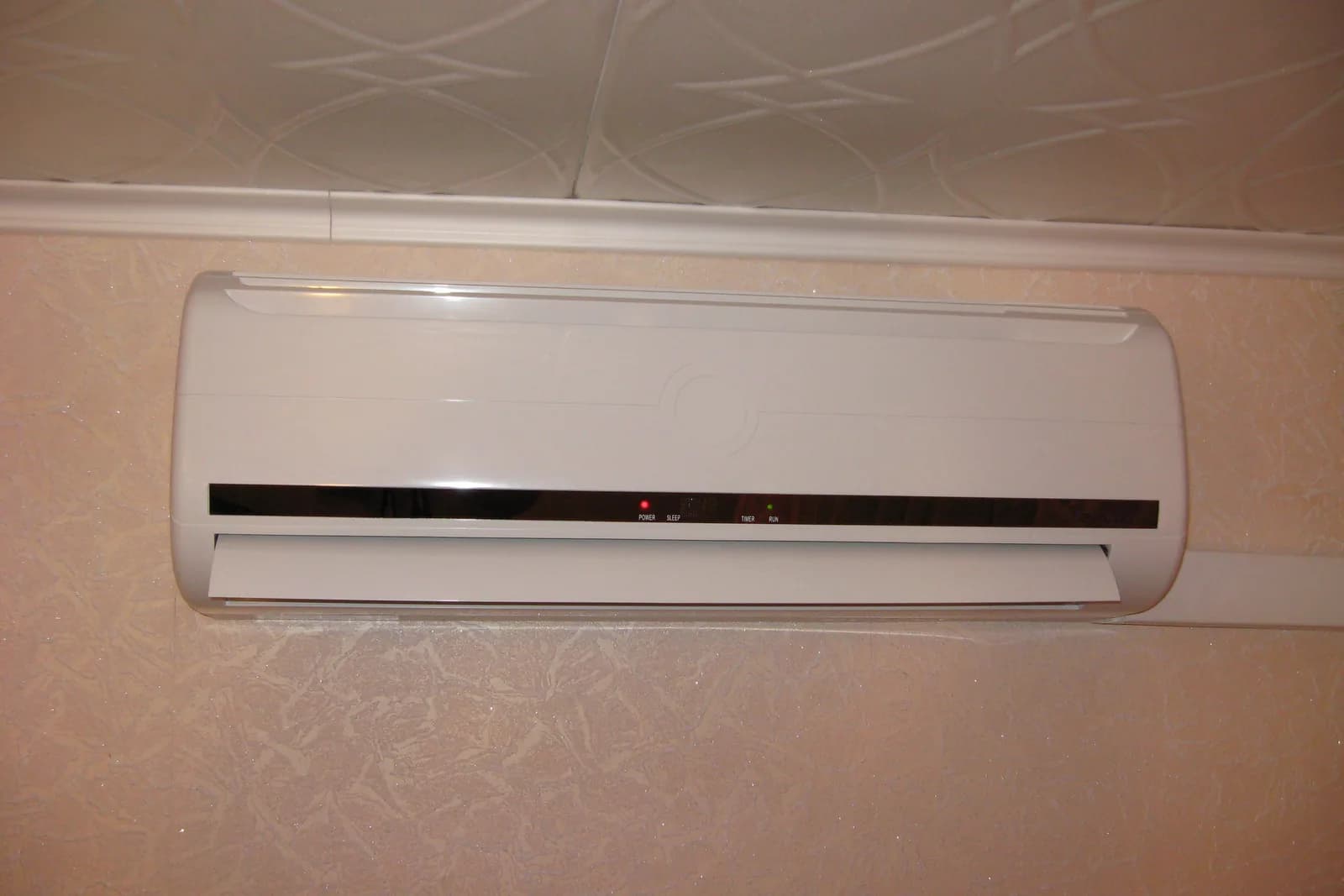
Each indoor head heats and cools one zone: a room, a pair of open rooms, or a finished attic. We count the zones first, because that count drives the equipment, the labor and the price.
02
Wall opening and line set
Copper refrigerant lines, a control cable and a drain hose pass through one small hole behind each head. The route to the outdoor unit is planned so the drain slopes down and the run stays short.
03
Outdoor unit spot
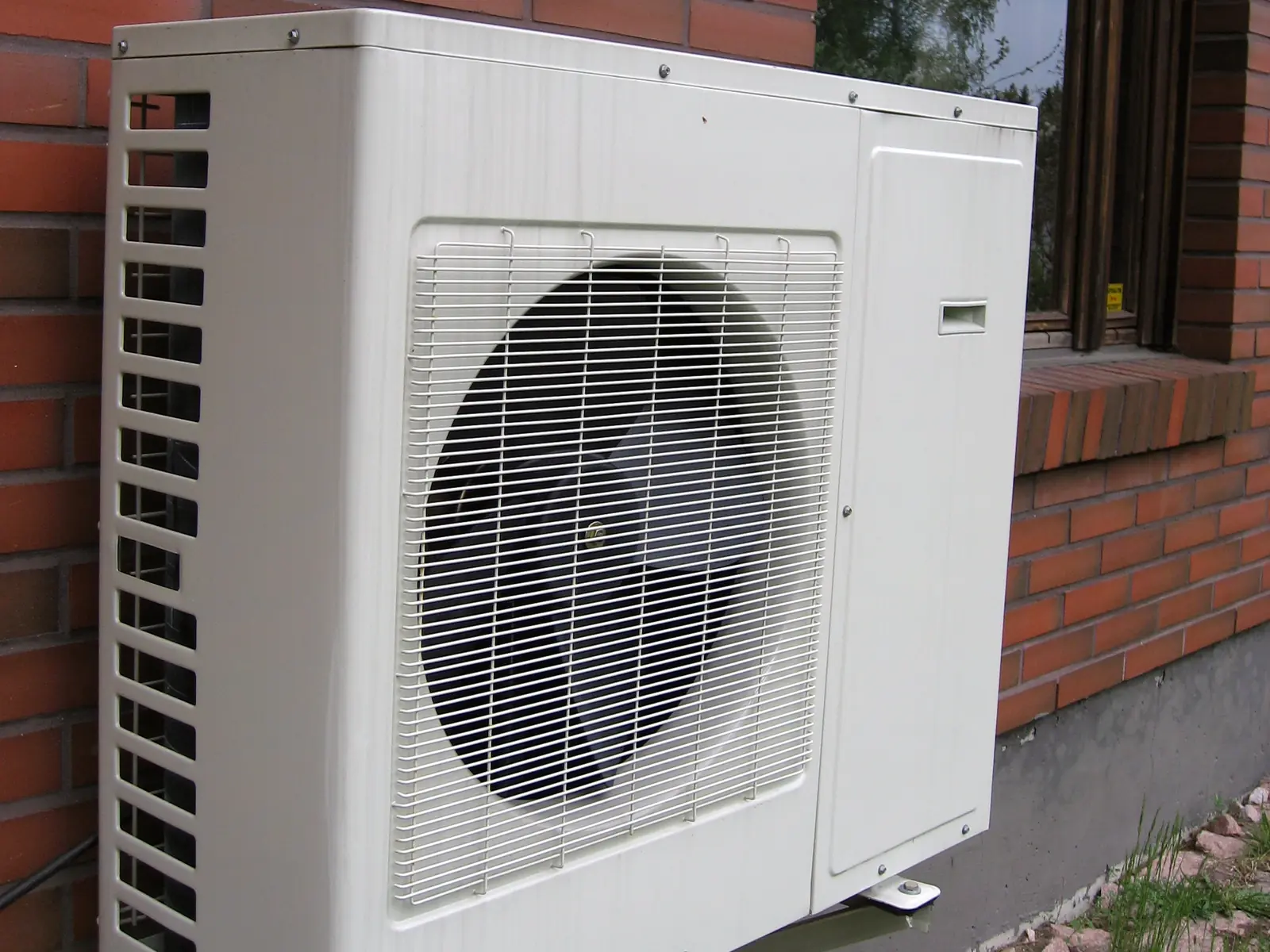
The outdoor unit goes on a pad, a stand or a wall bracket. It must sit above snow, clear of leaves, and inside your village or town setback rules.
04
Circuit and panel
Each outdoor unit needs its own circuit and a disconnect switch near the unit. We check panel capacity before the quote, since a full panel changes the price.
05
Equipment
For heating on Long Island, the equipment should be a cold-climate model. PSEG’s whole-house rebate needs a unit on the NEEP cold-climate list.
06
Rebate check
PSEG pays only when the heat pump carries the whole house. We confirm your rebate tier and the installing contractor’s program status before any rebate goes on the proposal.
What the install involves
Eight steps from survey to first start.
A professional install follows a set order. The steps below are drawn from Bryant’s install guide and one maker’s install manual. Steps 5 and 6 are the ones a homeowner rarely sees.
- 1. Survey: count the zones, measure the rooms and run a load calculation.
- 2. Mount the indoor head’s plate level on the wall, into studs.
- 3. Drill the wall opening, sloped slightly down toward the outside so the drain flows out.
- 4. Set the outdoor unit on its pad, stand or wall bracket.
- 5. Run and connect the copper line set, control cable and drain hose.
- 6. Pressure-test for leaks, then pull a deep vacuum, often to 500 microns, before the refrigerant is released.
- 7. Wire the dedicated circuit and the outdoor disconnect switch.
- 8. Start up, test heating and cooling, and set up the remote or thermostat.
How long it takes
Hours for one zone. A day or two for several.
Bryant puts a single-zone install at four to eight hours and a multi-zone system at one to two days. Some Long Island houses take longer. Here is what adds time.
- Brick, stone or stucco walls take longer to core than wood siding.
- Line sets longer than the factory charge covers need extra refrigerant. One maker’s charge covers runs up to 25 feet.
- A panel with no spare space may need an upgrade first.
- Ceiling cassettes and concealed ducted heads take more work than wall heads.
- Finished walls make hidden line set routes slower.
Where the outdoor unit goes
Above the snow, inside the setback.
NYS Clean Heat says to mount outdoor units at least 18 inches above the ground, on a gabled side of the house, to keep them above snow. Villages also set their own rules. In Malverne, for example, the HVAC permit asks for a plot plan of the outdoor unit location.
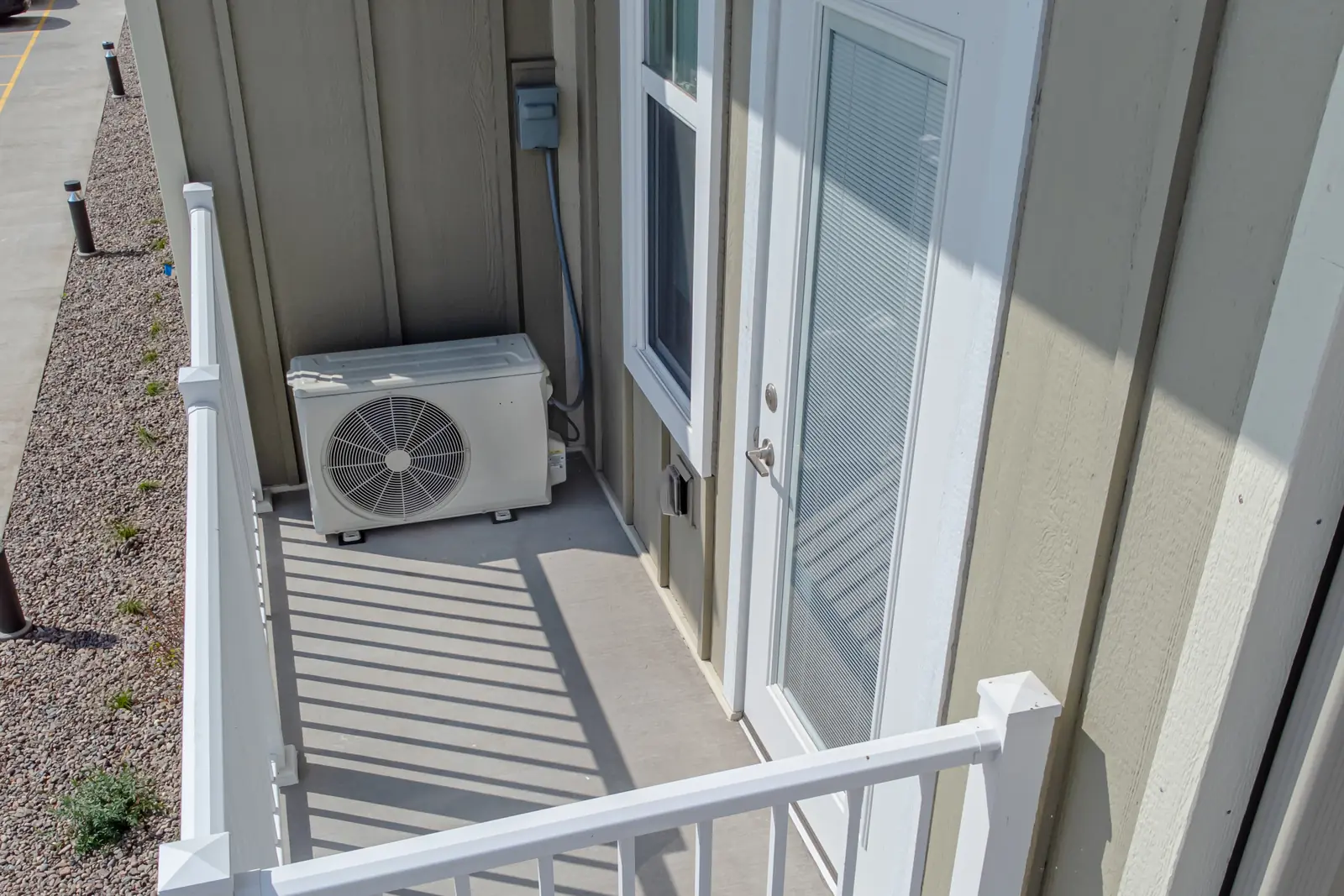
- At least 18 inches above ground, on a stand or wall bracket (NYS Clean Heat).
- On a gabled side of the house, as NYS Clean Heat advises.
- Malverne requires 4 feet minimum to side and rear lot lines, and no units in a front yard.
- Clear space around the coil for airflow and service.
- A short, direct line set route to the indoor heads.
Electrical and permits
A dedicated circuit, a disconnect and a permit.
Each outdoor unit runs on its own circuit with a disconnect switch near the unit. Long Island villages and towns can require permits for the work. In Malverne, the electrical work needs its own permit, separate from the HVAC permit.
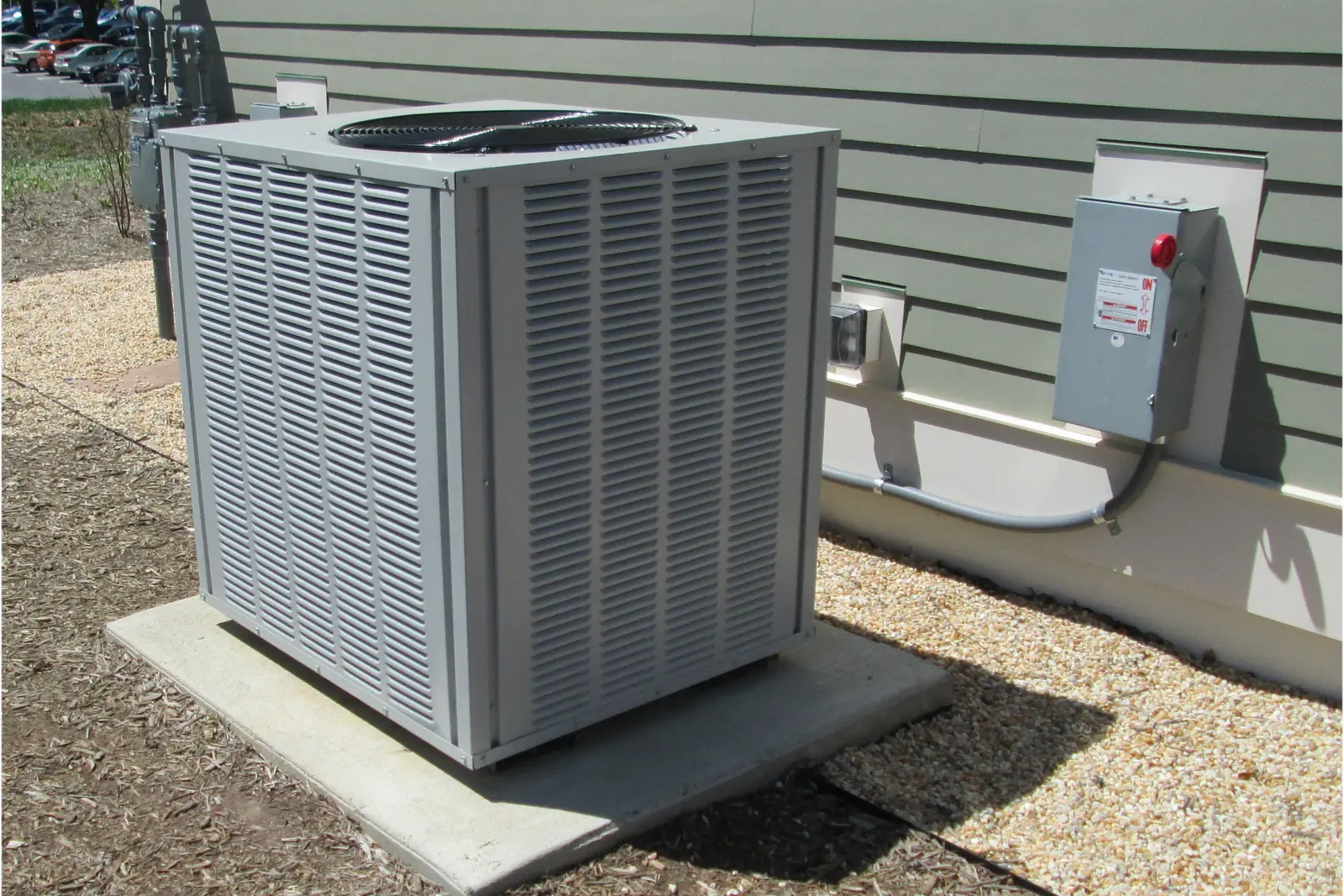
- Dedicated circuit from the main panel, sized to the outdoor unit.
- Outdoor disconnect switch mounted near the unit.
- Panel capacity checked before the quote, since an upgrade changes the price.
- HVAC permit plus a separate electrical permit where the village requires it.
- Manufacturer spec sheets submitted with the permit application, as Malverne asks.
What it costs
Market ranges, not an EnergiSense price.
Rewiring America models a single-zone mini-split heat pump at $5,400 to $8,500 installed, with a median of $6,600. Bryant gives $2,000 to $10,500 for professional installs. Both are national market ranges, not an EnergiSense quote. Your price depends on the zone count and the house.
- Number of indoor heads: the biggest single driver.
- Line set length and how it is hidden.
- Wall type and access for the wall opening.
- Electrical work, including any panel upgrade.
- Permit fees set by your village or town.
- Whether the PSEG whole-house rebate applies.
PSEG Long Island rebate
PSEG pays on whole-house systems only.
PSEG Long Island lists single-family heat pump rebates only for whole-house projects. The system must meet 100 to 120 percent of the entire home’s heating load. A single mini-split for one room does not qualify. A multi-zone system sized for the whole house can.
- Market rate: $4,000.
- Market rate in a disadvantaged community, or moderate income under 80% of area median income: $5,000.
- Low income under 60% of area median income: $7,500.
- Manual J load calculation required, and equipment on the NEEP cold-climate list.
- Integrated controls if oil or gas heat stays as backup, or removal of the old system.
- Work must be done by a PSEG participating contractor. EnergiSense confirms the installing contractor’s status and your tier before any rebate is counted.
Is ductless right for you
When a mini-split beats ducts.
Ductless fits houses without ductwork, or rooms the ducts never reached. If your home already has good ducts, a ducted heat pump may be the simpler path. Our heat pump page compares the two.
- Homes heated by oil or gas boilers with radiators or baseboard.
- Additions, sunrooms, finished attics and garages turned into living space.
- Bedrooms that run hot in summer and cold in winter.
- Homes that use window air conditioners today.
- Owners who want each room set to its own temperature.
DIY or professional
What the DIY videos skip.
Most how-to videos and forum posts on this topic show DIY installs. Pre-charged DIY kits do exist. A standard system is different work.
- EPA rules require Section 608 certification to attach gauges or add or remove refrigerant.
- A standard line set must be pressure-tested and vacuumed before start-up.
- The circuit and disconnect are electrical work, often under a separate permit.
- PSEG’s rebate requires a participating contractor.
- GE’s installer guide calls correct pipe flares and kink-free bends critical.
Single-zone vs. multi-zone
One room, or the whole house.
| Factor | Single-zone (one head) | Multi-zone, whole house |
|---|---|---|
| Typical use | One room or open area: an addition, a bedroom, a finished attic. | Several heads sized to heat the entire home. |
| Install time | About 4 to 8 hours (Bryant). | About 1 to 2 days (Bryant). |
| Market cost | $5,400 to $8,500 installed, median $6,600 (Rewiring America, not an EnergiSense quote). | Higher; each added zone adds equipment and labor. |
| PSEG Long Island rebate | Not eligible: it does not carry the whole home’s heating load. | $4,000 to $7,500 if it meets 100 to 120% of the whole-home load by Manual J, with NEEP-listed equipment and a participating contractor. |
| Old oil or gas system | Still heats the rest of the house. | Stays as backup with integrated controls, or is removed. |
Related paths
Mini-splits are one path.
Here is the rest of the plan.
Sources
Install and rebate facts
from the people who set them.
These are the program, government and manufacturer pages behind this page, read on October 29, 2026. Rebate tiers and eligibility are re-checked for your address before they appear on a proposal.
Ductless Mini-Split Installation FAQ
Questions before
the appointment.
How long does a ductless mini-split installation take?
Bryant puts a standard single-zone install at four to eight hours and a multi-zone system at one to two days. Brick walls, long line sets, a panel upgrade or a ceiling cassette add time. Your proposal lists the expected install days.
How much do they charge to install a mini split?
Rewiring America models an installed single-zone mini-split heat pump at $5,400 to $8,500, with a median of $6,600 (20th to 80th percentile, national prices). Bryant gives $2,000 to $10,500 for professional installs. These are market ranges, not an EnergiSense quote. Our mini-split cost guide breaks the price down by zone for Long Island.
Does PSEG Long Island give a rebate for a mini-split?
Only on a whole-house project. PSEG Long Island’s 2026 single-family rebate is $4,000 at market rate, $5,000 for moderate income or a disadvantaged community, and $7,500 for low income. The system must meet 100 to 120 percent of the entire home’s heating load by Manual J, use NEEP-listed equipment, and be installed by a participating contractor. A single mini-split for one room does not meet that rule.
What are the disadvantages of a ductless mini split?
Each zone needs its own indoor head on a wall or ceiling, and it stays visible in the room. Every head adds cost, so whole-house coverage gets expensive. Filters need cleaning often. A unit sized too large short-cycles and dries the air poorly. On Long Island, a one-room system also misses the PSEG rebate.
What is the 3 minute rule for AC?
Compressors need a short pause before they restart, so the refrigerant pressure can settle. Many units build this in. One maker’s mini-split install manual notes a protection feature that keeps the unit from starting for about 3 minutes. If a new mini-split waits a few minutes after you press ON, that is normal.
What is the $5,000 rule for HVAC?
It is a rule of thumb reported by CBS News: multiply the system’s age by the repair estimate. If the result is over $5,000, replacement is often the better choice. A 12-year-old unit with a $500 repair scores $6,000. It is a starting point, not a quote.
Can I install a mini-split myself?
Pre-charged DIY kits exist and are sold for owner install. Standard systems are different. EPA rules require Section 608 certification for anyone who attaches gauges or adds or removes refrigerant. Villages such as Malverne require permits, and PSEG’s rebate requires a participating contractor.
Why is my electric bill so high with mini splits?
Common causes are a wrongly sized unit, dirty filters, heads running in empty rooms, and an old oil or gas system that was never set up as backup with integrated controls. If a heat pump is your primary heat, PSEG’s Rate 580 can lower delivery charges. PSEG’s FAQ describes a 40% delivery discount on usage above 400 kWh a month, October through May.
Do ductless mini-splits work in Long Island winters?
Cold-climate models do. NEEP’s cold-climate specification requires a variable-speed compressor and a heating efficiency (COP) of at least 1.75 at 5°F. PSEG’s whole-house rebate requires equipment on that NEEP list. Our cold-weather guide covers Long Island winter temperatures in detail.
Quote + site visit
Request the quote.
Lock the next appointment.
EnergiSense reviews the project, confirms the right scope, and follows up with quote path and site-visit timing.