Home Energy
Mini-split installation cost on Long Island in 2026: price per zone, and when PSEG pays
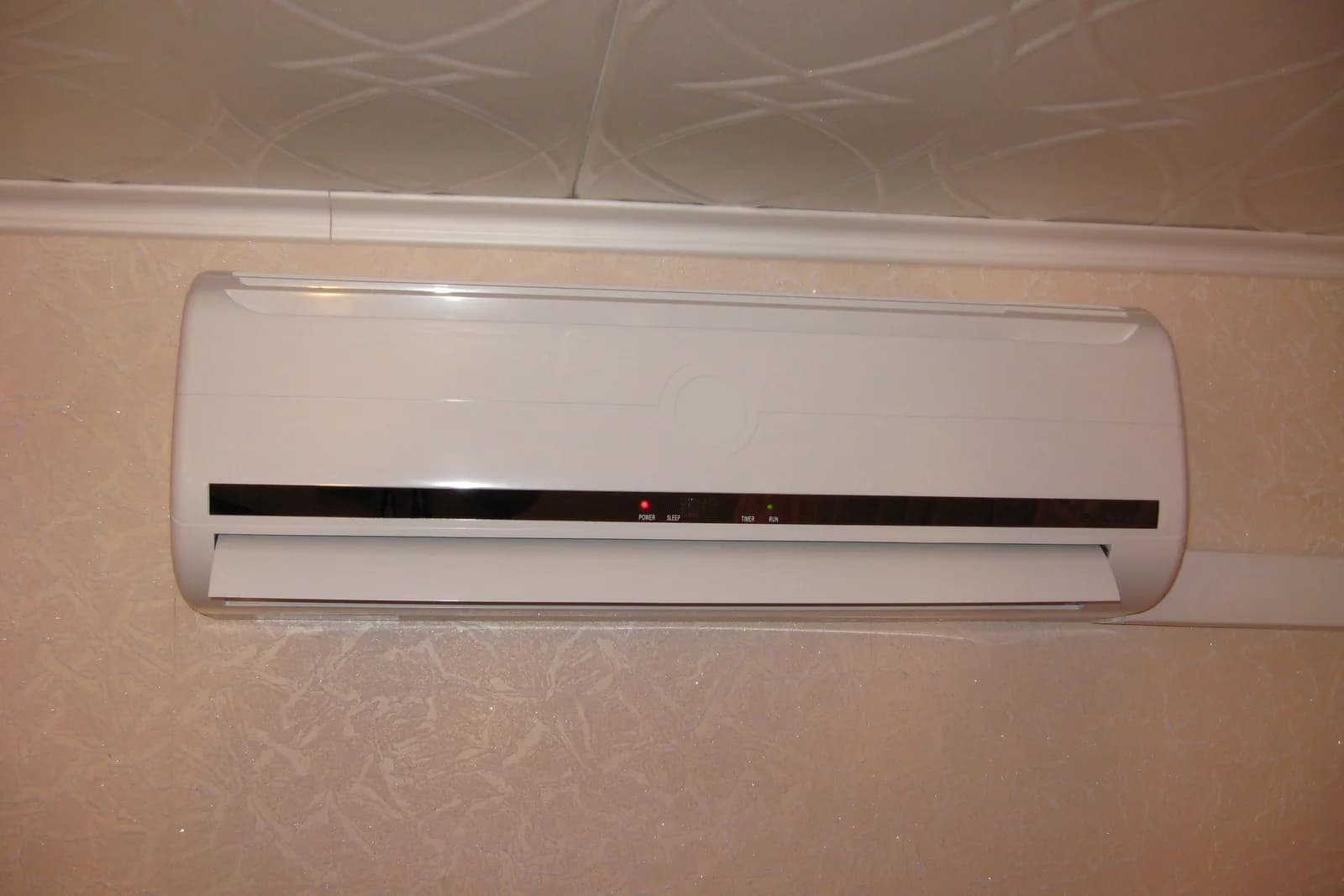
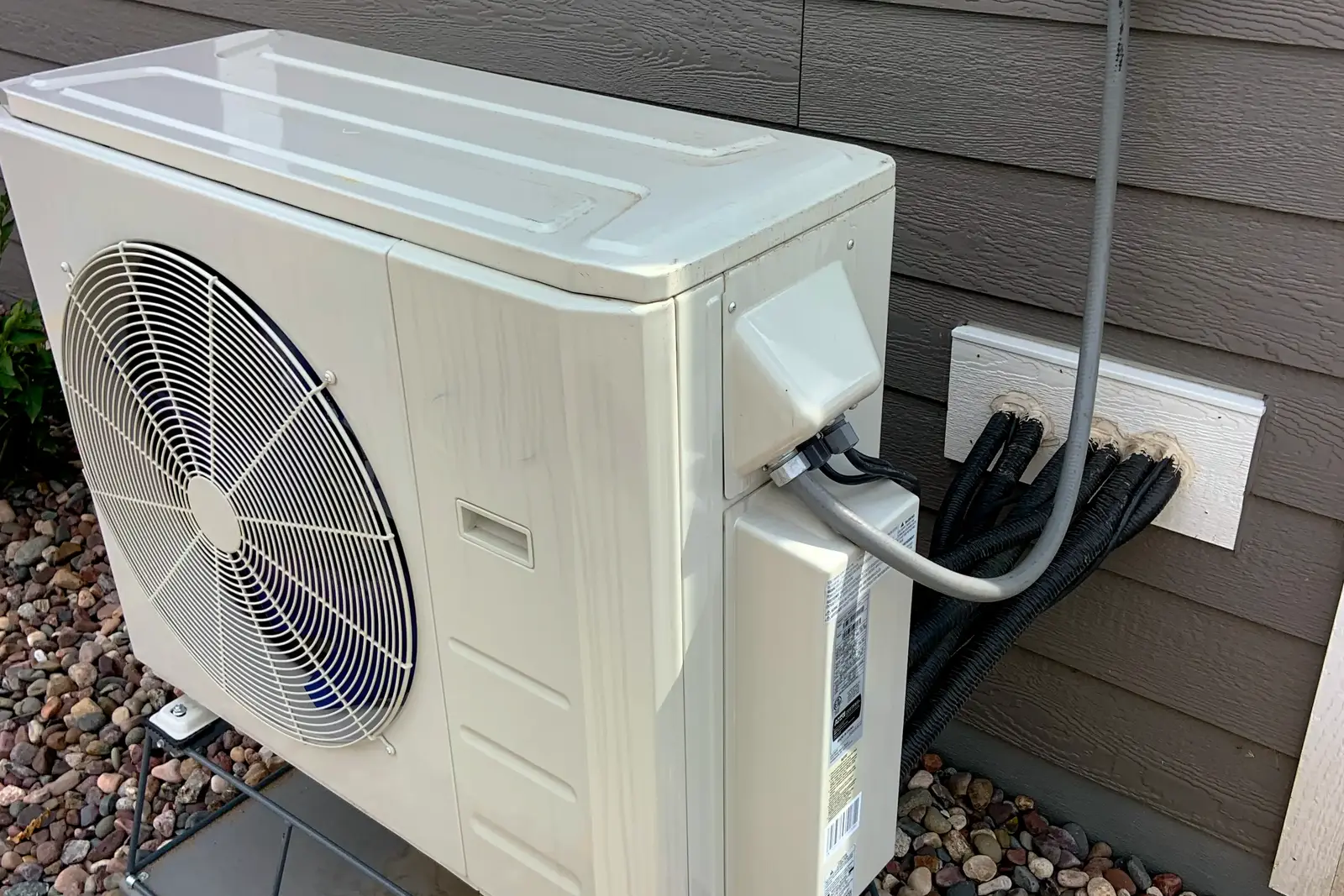
Search for what a mini-split costs and you get national numbers. What comes up first is a Colorado homeowner asking about air conditioning on Reddit, Carrier's guide with a single $2,500 to $15,000+ range, and Home Depot's service page with no price at all. All three are linked below. None of them prices heating, none names PSEG Long Island, and none explains the one rule that can move a Long Island quote by $4,000 to $7,500.
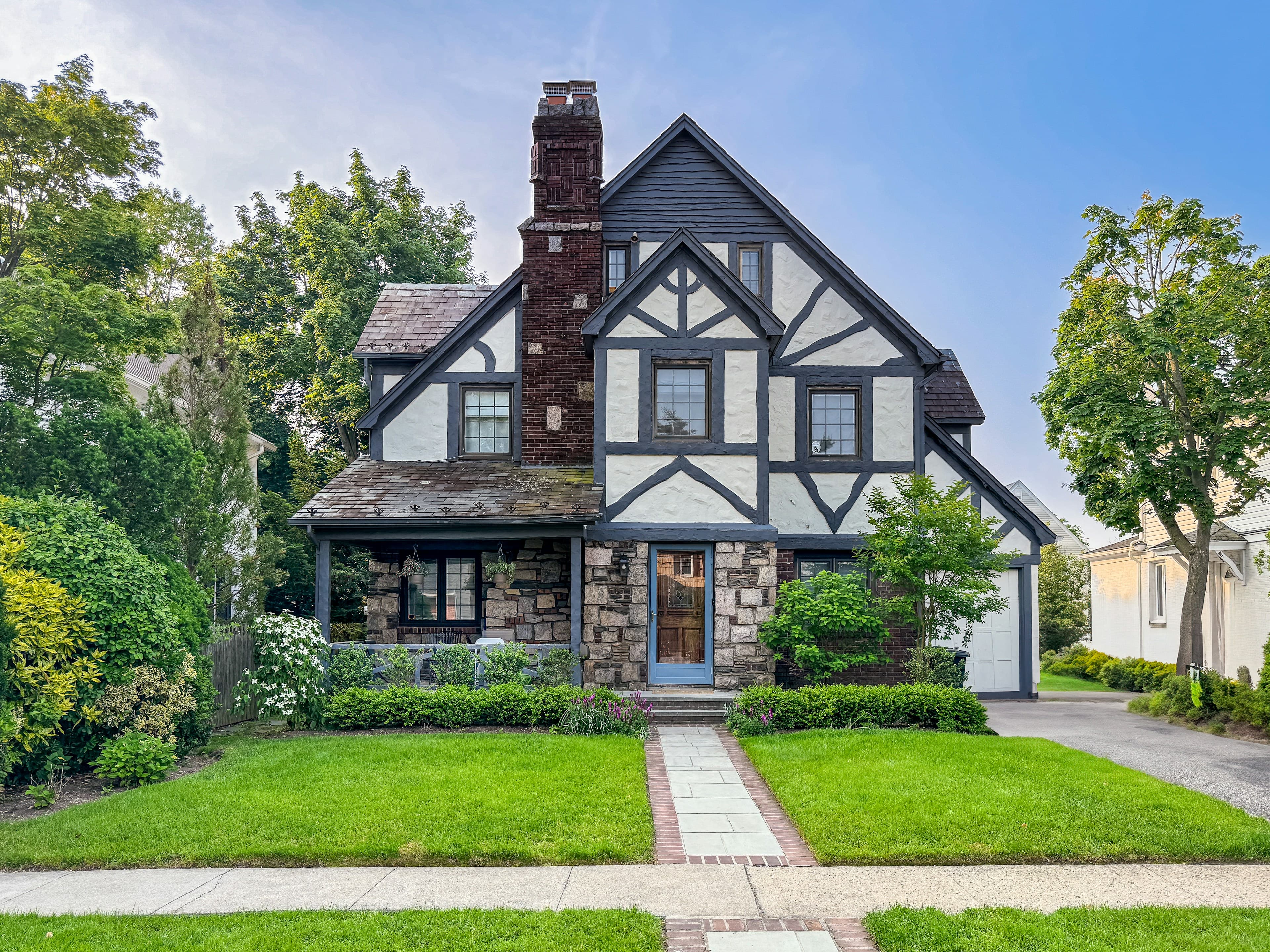
This guide is written for Nassau and Suffolk homeowners. It lays out the published installed cost by number of zones, explains why Long Island quotes tend to land in the upper half of those ranges, shows the net price after each PSEG Long Island rebate tier, lists what a quote should include line by line, and answers the questions people ask most. Every number is tied to a named source, read on October 16, 2026.
No public dataset publishes 2026 installed mini-split prices for Long Island. So instead of inventing a local average, this guide puts the published ranges side by side, labels them as market ranges, and shows the local facts that push a quote up or down. For ducted heat pumps and the oil-versus-heat-pump winter math, see our heat pump installation cost guide.
The numbers, with sources
$5,400–$8,500
Installed cost of a single-zone mini-split heat pump, 20th to 80th percentile (median $6,600), from Massachusetts install data adjusted to national prices
Rewiring America — Heat pump costs$2,000–$7,000
Typical installed cost per zone for a multi-zone ductless system, for budgeting
Bryant — Ductless mini split cost (2026)$4,000–$7,500
PSEG Long Island single-family heat pump rebate, paid only when the system meets 100 to 120% of the entire home's heating load by Manual J
PSEG Long Island — Heat Pump Rebates$37.50/hr
Median wage of HVAC mechanics and installers in the New York–Newark–Jersey City area, which includes Long Island, against $29.33 nationally (May 2025)
U.S. Bureau of Labor Statistics — OEWS$0.0585/kWh
Rate 580 delivery charge from October to May on usage above 400 kWh a month, against $0.1064 on the first 400 kWh; the 2026 rate sheet limits Rate 580 to buildings heated solely with electric heat
PSEG Long Island — Common Residential Electric Rates 2026Dec 31, 2025
Last day of improvements covered by the federal 25C energy efficiency credit, so a mini-split installed in 2026 gets no federal heat pump credit
IRS — Energy Efficient Home Improvement Credit
Mini-split installation cost by number of zones
A zone is one indoor head, the unit on the wall or in the ceiling, and the room or open area it serves. The number of heads is the biggest driver of price, followed by the size of the outdoor unit and how hard the install is. The table puts three published price guides side by side. All are national market ranges, equipment plus labor, not an EnergiSense quote.
Rewiring America's single-zone range is the most useful for a Long Island heating install, because it comes from real heat pump installs in Massachusetts, a cold climate like ours, adjusted to national prices. Filterbuy's ranges are lower because they start from its own budget units sized for cooling, and they are national averages that Filterbuy says can run 15 to 30% higher or lower locally. Bryant publishes a per-zone budget figure; the multi-zone rows below simply multiply it out.
- Carrier gives one national range for the whole job, $2,500 to $15,000 or more, which covers everything from one head to a full house.
- Filterbuy says adding a second zone to an existing outdoor unit typically adds $1,500 to $3,000, while adding a zone to a single-zone system later may mean replacing the outdoor unit. If you might want more rooms later, say so before the outdoor unit is chosen.
- Rewiring America says homes in colder climates or in regions with high labor costs are likely to fall at the higher end of its ranges. Long Island labor costs are high (see the next section), and a Long Island mini-split has to be sized to heat, not only to cool.
| System | Published installed cost (market range) | What it serves | Source |
|---|---|---|---|
| 1 zone (one outdoor unit, one head) | $5,400–$8,500, median $6,600 | One room, an addition, a finished attic or a converted garage | Rewiring America, 20th–80th percentile |
| 1 zone | $2,000–$6,000 | Same | Bryant |
| 1 zone | $1,200–$5,500 | Same, cooling-sized budget units | Filterbuy, national 2026 |
| 2 zones | $4,000–$9,000 | Two rooms, for example two bedrooms | Filterbuy |
| 3 zones | $6,500–$11,000 | A living area and two bedrooms | Filterbuy |
| 4 zones | $9,000–$13,500 | Most of a smaller house | Filterbuy |
| 2 to 4 zones, per-zone math | $2,000–$7,000 per zone: $4,000–$14,000 for 2, $6,000–$21,000 for 3, $8,000–$28,000 for 4 | Each head and its share of the outdoor unit | Bryant figure, multiplied out |
| Whole-home heat pump, 1,500–2,500 sq ft | $17,000–$23,000, median $19,500 | All of the heating and cooling, ducted or ductless | Rewiring America, 20th–80th percentile |
| Whole-home heat pump, 2,500–5,500 sq ft | $22,500–$28,000, median $25,000 | Same | Rewiring America, 20th–80th percentile |
Why Long Island quotes land in the upper half of those ranges
Labor is a large share of a mini-split job. Filterbuy puts it at 30 to 50% of the total cost and says labor in the Northeast runs 25 to 40% above the national average. The U.S. Bureau of Labor Statistics shows the same gap in wages. In May 2025 the median wage for HVAC mechanics and installers in the New York–Newark–Jersey City area, which includes Nassau and Suffolk, was $37.50 an hour, against $29.33 nationally. That is about 28% more.
The second reason is heating. Most national price lists, and the top forum thread, are about air conditioning. On Long Island a mini-split usually has to heat in January too, so it is sized for the coldest nights, and the PSEG Long Island rebate requires a cold-climate model from the NEEP list. Bigger outdoor units and cold-climate equipment sit at the top of the price ranges, not the bottom.
- Treat the median of each range as a starting point, not a Long Island quote.
- A low single-zone price from a national list is usually a cooling-sized budget unit plus basic labor. Ask what heating capacity it delivers at 5°F.
- The fairest comparison between two quotes is line by line: equipment, labor, line set length, electrical work, permit and exclusions.
The PSEG Long Island rebate: one room or the whole house
This is the rule that changes a Long Island price most. PSEG Long Island's single-family heat pump rebate is for whole-house projects. Its rebate page says the heat pump system must meet 100 to 120% of the entire dwelling heating load, with a Manual J load calculation. A mini-split that heats one bedroom, a sunroom or a garage does not meet that rule, however efficient it is, so it gets no PSEG rebate.
A ductless system can still qualify. A multi-zone design that carries the whole house by Manual J, with equipment on the NEEP cold-climate list, qualifies for the same rebate as a ducted system, provided every other condition is met. For a house heated by an oil boiler through baseboard or radiators, with no ducts to reuse, a whole-house ductless design is often the practical way to get the rebate.
- Market rate: $4,000. Market rate in a Disadvantaged Community, or moderate income (under 80% of area median income): $5,000. Low income (under 60% of area median income): $7,500.
- The system must meet 100 to 120% of the entire dwelling heating load, shown by a Manual J.
- The outdoor units must be on the NEEP Cold Climate Air Source Heat Pump list.
- If the oil or gas system stays, integrated controls listed on Mass Save are required and the heat pump must be the primary heat. The other path is to remove the fossil fuel system.
- The work must be done by one of PSEG Long Island's participating contractors. PSEG also pays the contractor a $250 incentive per project.
- PSEG notes that rebates are per single-family home (1 to 4 units) and cost caps may apply. Ask any installer, including us, to show participating-contractor status in writing before you count the rebate.
| System and published price | Market rate ($4,000) | Disadvantaged Community or moderate income ($5,000) | Low income ($7,500) |
|---|---|---|---|
| One-room mini-split, $6,600 (Rewiring America median) | $6,600, no rebate | $6,600, no rebate | $6,600, no rebate |
| Whole house, $17,000 (Rewiring America low end, 1,500–2,500 sq ft) | $13,000 | $12,000 | $9,500 |
| Whole house, $19,500 (median, 1,500–2,500 sq ft) | $15,500 | $14,500 | $12,000 |
| Whole house, $23,000 (high end, 1,500–2,500 sq ft) | $19,000 | $18,000 | $15,500 |
| Whole house, $25,000 (median, 2,500–5,500 sq ft) | $21,000 | $20,000 | $17,500 |
What a Long Island mini-split quote should include, line by line
Bryant's list of what a standard quote covers is a good checklist: the outdoor unit and indoor heads, installation labor, refrigerant line sets, line covers and wall penetrations, mounting brackets or a pad, electrical connections within typical limits, startup and testing, condensate drainage, removal of old equipment and the warranties. It also lists what is often left out unless written in: extra zones, panel or service upgrades, long or complex line set runs, carpentry or drywall repair, and permits. The ranges below are national market figures from Filterbuy, not EnergiSense prices.
- If the electric service itself needs an upgrade, PSEG Long Island handles the utility side. Its upgrade page says an electrical inspection certificate is required for every service change and that a payment or deposit may be required, depending on the load.
- Ask where the condensate drains, especially for heads on interior walls.
- Ask how high the outdoor unit will sit. NYS Clean Heat recommends mounting outdoor units at least 18 inches above the ground on a gabled side of the house, to keep them above any snow.
| Line item | Published market range | What to ask | Source |
|---|---|---|---|
| Refrigerant line set | Up to 25 feet standard; each extra 10 feet adds $50–$150 | How many feet are included, and the price per extra foot? | Filterbuy |
| Wall penetration through brick, stone or concrete | $150–$400 per penetration | Does the price include core drilling? | Filterbuy |
| Dedicated 240V circuit | $300–$800 per outdoor unit; budget $300–$1,500 for electrical upgrades in older homes | Is the circuit and disconnect in the price? | Filterbuy |
| Ceiling cassette or slim ducted head instead of a wall head | Adds 1–3 hours of labor per zone | Which rooms get which head style, and why? | Filterbuy; Bryant notes more complex installation |
| Panel or electric service upgrade | Usually excluded from a standard quote | Does the panel have room for the new load? | Bryant |
| Permit | $100–$500 nationally; $50 per outdoor unit in the Village of Malverne, plus a separate electrical permit | Who pulls it, and is the fee included? | Filterbuy; Village of Malverne HVAC permit form |
| Manual J load calculation | Required for the PSEG Long Island whole-house rebate | Is it included, and will I get a copy? | PSEG Long Island |
| Integrated controls (if oil or gas stays) | Required for the rebate unless the fossil system is removed | Which controls, and what switch-over set point? | PSEG Long Island |
Do you need a permit for a mini-split on Long Island?
Usually yes, and the rules are set by your town or village building department, not by one Long Island-wide rule. Home Depot's own FAQ says you may need a permit before installing a mini-split, depending on where you live.
The Village of Malverne in Nassau County is one published example. Its residential central air, HVAC and generator permit lists a fee of $50 per ductless mini-split exterior unit, requires a separate electrical permit, asks for a survey or plot plan showing where the outdoor unit goes, and sets the outdoor unit at least 4 feet from side and rear lot lines and not in any front yard. It also asks for the manufacturer's specification sheets and a Nassau County Department of Assessment building permit application signed by the property owner. Other towns and villages set their own fees and setbacks, so check with yours before the outdoor unit location is fixed.
Cold-climate rating: why a heating mini-split costs more than an AC price list
PSEG Long Island requires the outdoor units to be on the NEEP Cold Climate Air Source Heat Pump list when the rebate application is submitted. NEEP's specification sets a floor: a non-ducted system needs a heating efficiency (HSPF2) of at least 8.5, and every listed system must deliver at least 1.75 units of heat for each unit of electricity (COP) at 5°F at maximum capacity.
Those requirements matter even with no rebate in play, because a Long Island mini-split has to heat on the coldest nights. Bryant, citing ENERGY STAR, recommends a Manual J load calculation rather than a rule of thumb, and an AC-sized head picked from square footage alone can fall short in January. Our guide to heat pumps in cold weather covers how cold it actually gets on Long Island and how the outdoor unit copes.
- Ask for the outdoor unit's heating capacity at 5°F from its NEEP listing, not only its nameplate size.
- Check the model on the NEEP list yourself before you sign.
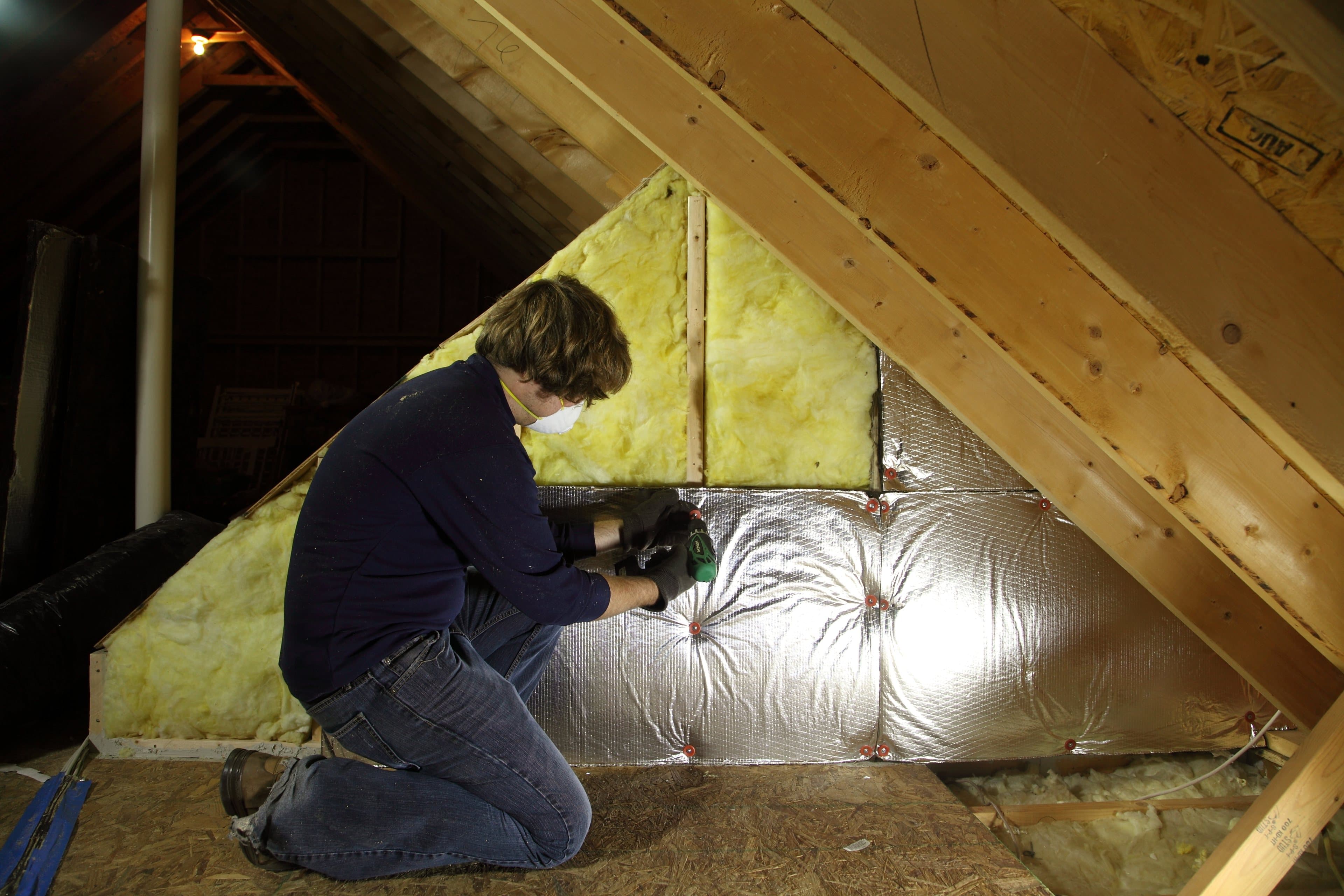
- Seal and insulate first where it pays. Rewiring America notes that homes with better insulation need less heating and cooling capacity, and suggests an energy audit as the first step.
Running cost on PSEG Long Island rates, and where solar fits
PSEG Long Island's heat pump FAQ says customers whose heat pump is the primary source of heat may be eligible for its Residential Electric Heating rate, Rate 580, with a 40% energy delivery charge discount on usage above 400 kWh a month from October through May. On the 2026 rate sheet, from October to May, Rate 580 charges $0.0585 per kWh for delivery above 400 kWh a month, against $0.1064 for the first 400 kWh. The same rate sheet says Rate 580 applies to customers who heat the entire building solely with an electric heat system.
So a single mini-split in one room of an oil-heated house is not a Rate 580 case: the house is not heated solely with electricity. A whole-house ductless system may be, especially if the oil system is removed. If you plan to keep oil as a backup, ask PSEG Long Island in writing whether your account qualifies before you count the discount.
Any mini-split adds electric load, and on Long Island that load can be planned with solar. EnergiSense designs the heat pump, the solar array that feeds it under PSEG net metering and any battery together, so the panel, the array and the rate plan line up. The full oil-versus-heat-pump winter math, with every assumption shown, is in our heat pump installation cost guide.
Which mini-split purchase fits your house
Most Long Island mini-split jobs fall into one of four cases. The published cost and the rebate answer are different for each.
| Your situation | Published installed cost (market range) | Typical layout | PSEG Long Island rebate |
|---|---|---|---|
| One cold room, an addition, a finished attic or a converted garage | $5,400–$8,500 (Rewiring America) | Single zone | None for one room |
| A hot or cold top floor with two or three bedrooms | $4,000–$11,000 (Filterbuy) | 2–3 zones on one outdoor unit | None, unless the design carries the whole house |
| Whole house heated by an oil boiler through baseboard or radiators, no ducts | $17,000–$23,000 for 1,500–2,500 sq ft (Rewiring America whole-home) | Multi-zone ductless sized by Manual J to 100–120% of the load | $4,000, $5,000 or $7,500 if every condition is met |
| Whole house with existing ducts | See our heat pump cost guide | Usually a ducted heat pump on sealed ducts | $4,000, $5,000 or $7,500 if every condition is met |
What Home Depot, Carrier and the online price lists leave out
Home Depot's mini-split installation page publishes no price. It says the cost of the mini-split is included in its all-inclusive installation service, that it cannot install a unit you have already bought, and that the brands it installs vary by location. You get a number only after an in-home consultation.
Carrier's guide gives one national range, $2,500 to $15,000 or more, and mentions local utility rebates without naming any. Filterbuy's guide says federal tax credits for qualifying mini-splits may be available. For a 2026 install that is out of date: the IRS says the Energy Efficient Home Improvement Credit (25C) covers improvements made through December 31, 2025.
None of these pages can tell you the Long Island answer, which comes down to three questions: how many zones the house really needs, whether the design carries the whole house for the PSEG rebate, and what the line items are in your quote.
The $5,000 rule: repair the old system or replace it?
Many people pricing a mini-split are deciding whether to keep fixing an old air conditioner or heating system. The $5,000 rule is a quick screen for that decision. CBS News explains it this way: multiply the age of the system in years by the repair estimate. If the result is more than $5,000, replacement is often the better long-term option; if it is less, repair may make more sense. A 12-year-old unit with a $500 repair gives $6,000, which points toward replacement.
It is a rule of thumb, not a standard, and CBS News stresses it is a starting point rather than a substitute for a professional evaluation. On Long Island, add one more question before you replace like for like: would a whole-house heat pump that qualifies for the PSEG Long Island rebate cost less over its life than another oil or gas system?
Questions to ask before you sign a mini-split quote
A mini-split quote for a Long Island house is complete when it answers these in writing.
- How many heads, which rooms does each serve, and what is the heating capacity of each?
- Is the outdoor unit on the NEEP cold-climate list, and what is its heating capacity at 5°F?
- Was a Manual J run, and does the design carry 100 to 120% of the whole house, or is this a one-room system with no PSEG rebate?
- Are you a PSEG Long Island participating contractor? Please show it in writing.
- How many feet of line set are included, and what does each extra foot cost?
- Is the 240V circuit included, and does my panel need an upgrade?
- Who pulls the town or village permit, and is the fee in the price?
- Where will the outdoor unit sit, how high, and where does the condensate drain?
- If my oil or gas system stays, which integrated controls and which switch-over set point?
FAQs
How much should it cost to have a mini split installed?
A single-zone mini-split, one outdoor unit and one indoor head, costs about $5,400 to $8,500 installed, with a median of $6,600 (Rewiring America). Multi-zone systems run about $2,000 to $7,000 per zone (Bryant), and a whole-house heat pump for a 1,500 to 2,500 square foot home costs $17,000 to $23,000. These are national market ranges; Long Island labor and cold-climate equipment tend to put quotes in the upper half.
How much is a mini split for a 1,000 sq ft house?
Rewiring America says a single-zone heat pump can serve a large room, a couple of connected rooms or an open-plan space up to about 1,000 square feet, and points homes under 1,000 square feet to its single-zone range of $5,400 to $8,500. A 1,000 square foot house with several closed-off rooms usually needs more than one head, which puts it in Filterbuy's $4,000 to $11,000 range for 2 to 3 zones. The right size comes from a Manual J load calculation, not square footage alone.
Does PSEG Long Island offer rebates on mini split heat pumps?
Only for whole-house systems. PSEG Long Island's single-family rebate of $4,000, $5,000 or $7,500 requires the heat pump system to meet 100 to 120% of the entire home's heating load by Manual J, NEEP-listed cold-climate equipment, integrated controls or removal of the fossil fuel system, and a participating contractor. A multi-zone ductless system that carries the whole house can qualify; one mini-split for one room does not.
What is the $5,000 rule for HVAC?
It is a rule of thumb for repair-or-replace decisions: multiply the age of the system in years by the repair estimate. CBS News explains that if the result is more than $5,000, replacement is often the better long-term option, and if it is less, repair may make more sense. A 12-year-old unit with a $500 repair gives $6,000. It is a starting point, not a substitute for an inspection.
How much does Home Depot charge to install mini splits?
Home Depot does not publish a price. Its mini-split installation page says the cost of the unit is included in its all-inclusive installation service, quoted after an in-home consultation, and that it cannot install a mini-split you have already bought. Compare any quote against the published ranges above and ask for the line items.
Can I install a mini split myself?
Home Depot's FAQ says yes, but you may need a permit. Bryant does not recommend it, because the refrigerant, electrical and charging work needs specialized tools and is regulated, and an improper install can void the manufacturer warranty. On Long Island a self-install also rules out the PSEG rebate, which requires a participating contractor, and most towns and villages require a permit.
Is there a federal tax credit for a mini split in 2026?
No. The IRS says the Energy Efficient Home Improvement Credit (25C), which covered qualifying heat pumps, applies to improvements made through December 31, 2025. A mini-split installed in 2026 does not qualify. On Long Island the main incentive is the PSEG Long Island whole-house rebate.
Do I need a permit to install a mini split on Long Island?
Usually, and the rules come from your town or village. The Village of Malverne, for example, charges $50 per ductless mini-split exterior unit on its HVAC permit, requires a separate electrical permit, and sets the outdoor unit at least 4 feet from side and rear lot lines and not in a front yard. Check with your own building department before the outdoor unit location is fixed.
Does a mini split qualify for PSEG Rate 580?
Only if it heats the house. PSEG Long Island's FAQ says customers whose heat pump is the primary source of heat may be eligible, and its 2026 rate sheet says Rate 580 applies to buildings heated entirely and solely with electric heat. A single mini-split in an oil-heated house does not meet that; a whole-house system may. Ask PSEG Long Island in writing if you plan to keep oil as a backup.
How long does a mini split installation take?
Filterbuy says a standard single-zone installation takes 4 to 8 hours. Bryant says multi-zone systems, electrical upgrades or added indoor units may take 1 to 3 days. Permits and a PSEG Long Island pre-inspection for a rebated whole-house system add time before the work starts.
About the author
Alex Lubin
Founder, EnergiSense
Alex Lubin founded EnergiSense on Long Island in 2021. EnergiSense plans cold-climate heat pump, insulation, air sealing, solar and battery projects for Nassau and Suffolk homes. This guide is built from PSEG Long Island, NEEP, IRS, U.S. Bureau of Labor Statistics and Village of Malverne pages and from published cost guides, all read on October 16, 2026. It quotes no EnergiSense price and does not state any contractor's PSEG program status.
Full founder storyNext best page
Filed under: Home Energy
Get my quote