
Flat Roof Solar
Solar panels on flat roofs.
NYC and New York roof-first design.
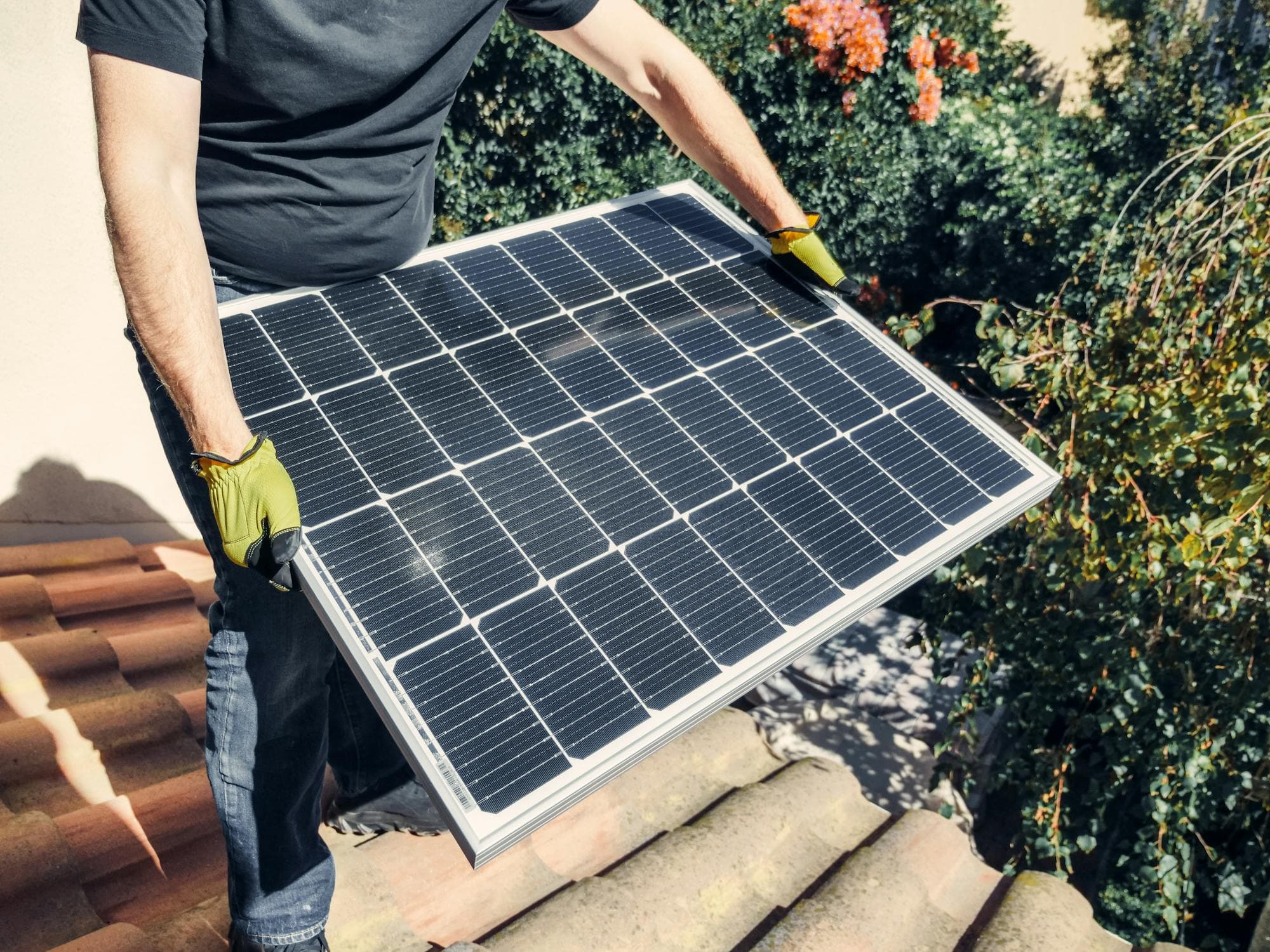
Flat roof solar panels can work extremely well in New York, but only when the roof, racking, weight, wind, drainage, utility account, and local incentive path are handled together. EnergiSense reviews the platform before recommending the panel count.
- Ballasted vs attached racking
- NYC flat-roof solar
- Con Edison and PSEG review
- Roof-ready solar design
Flat-roof proof
The roof decides
the solar plan.
First Constraint
Membrane, ponding, seams, penetrations, warranty, and service access shape the array.
Racking Decision
Ballasted, attached, or hybrid mounting depends on structure, exposure, and roof condition.
Local Filing Path
Borough projects need city-aware review before savings or install timing are promised.
Why flat roofs can work
A flat roof is not a problem.
It is a different design job.
Flat roof solar can sound simple: put panels on tilted racks and point them at the sun. In New York, the real work is more serious. The installer has to protect the membrane, keep drainage working, control wind uplift, avoid crushing the roof with unnecessary ballast, leave access for fire and service, and make the utility math work for the actual account.
That is why EnergiSense treats flat roof solar as a roof and solar project, not a solar-only quote. The same roof can be a strong candidate, a roof-first bundle, or a bad idea depending on membrane age, ponding water, parapets, penetrations, structural capacity, shade, and who owns the meter.
For Brooklyn, Queens, the Bronx, Staten Island, Manhattan, Long Island, and Westchester, the right proposal should explain the mounting method, the roof condition, the service path, the utility path, and the incentive assumptions before the homeowner or building owner signs.
Ballasted vs attached
The racking choice is
an engineering decision.
Flat roof solar panels usually sit on tilted racking so panels shed water, produce better, and avoid lying directly on the membrane. The big decision is how the racking stays in place.
Roof readiness checklist
What has to be checked
before panels go up.
Most bad flat-roof solar decisions happen before install day. The right work is deciding whether the roof can carry and protect the system for the full solar life.
01
Membrane age and type
TPO, EPDM, PVC, modified bitumen, and GAF Liberty-style systems do not age the same way. Solar should not trap a weak membrane under a 25-year array.
02
Ponding and drainage
Flat roofs still need slope to drains, scuppers, or gutters. Panels, trays, conduit, and walk pads cannot make ponding worse or block water paths.
03
Seams, parapets, and penetrations
Seams, vent pipes, skylights, roof hatches, parapets, chimneys, and existing equipment decide where rows can safely sit.
04
Structural load
Ballast adds weight. Wind zones add pressure. Older rowhouses and mixed-use buildings may need a structural review before layout is final.
05
Fire and service access
The design must leave practical access lanes for firefighters, roofers, electricians, and future service. A packed roof is not a good roof.
06
Utility and ownership
Con Edison, PSEG Long Island, co-op boards, commercial meters, and tenant accounts can change the financial case even when the roof is physically ready.
New York and NYC incentives
Incentives are reviewed
after the roof is real.
Incentives can improve the numbers, but they should not be used to sell a weak roof. EnergiSense checks the current program fit by property, service territory, and install path before proposal math is treated as final.
Founder-led review
No flat-roof guess.
No solar shortcut.
Alex reviews the roof and the electric bill before recommending a system. If the flat roof should be repaired, replaced, reinforced, or left alone before solar, that has to be known before the homeowner signs. The goal is not to force panels onto every roof. The goal is to design the project that still makes sense years after install day.
Talk to Alex
By area
Same roof type.
Different New York project paths.
Brooklyn
Brownstones, rowhouses, attached homes, and mixed-use buildings with flat or low-slope roofs.
Con Edison account review, NYC filing awareness, roof hatch/access check, and solar-only storage rules.
Queens
Single-family, two-family, attached homes, and small commercial flat roofs with shade and equipment conflicts.
Roof membrane review, Con Edison modeling, property tax abatement screening, and array spacing.
Bronx and Staten Island
Outer-borough low-slope roofs where roof condition and access decide whether solar is worth quoting.
NYC DOB-aware planning, utility review, and roof-first bundle review when the membrane is near end of life.
Long Island
Commercial and low-slope residential roofs outside NYC with PSEG Long Island considerations.
Solar, roof, and possible battery review where storage eligibility fits the property and utility path.
Westchester
Con Edison or local-utility projects where flat-roof mechanics differ from NYC borough filing rules.
Roof-ready design, utility-specific modeling, and battery review where allowed.
Where flat-roof solar fits
Find the local guide
for your roof type.
Flat Roof Solar FAQ
The flat-roof questions
that matter first.
Can solar panels go on a flat roof?
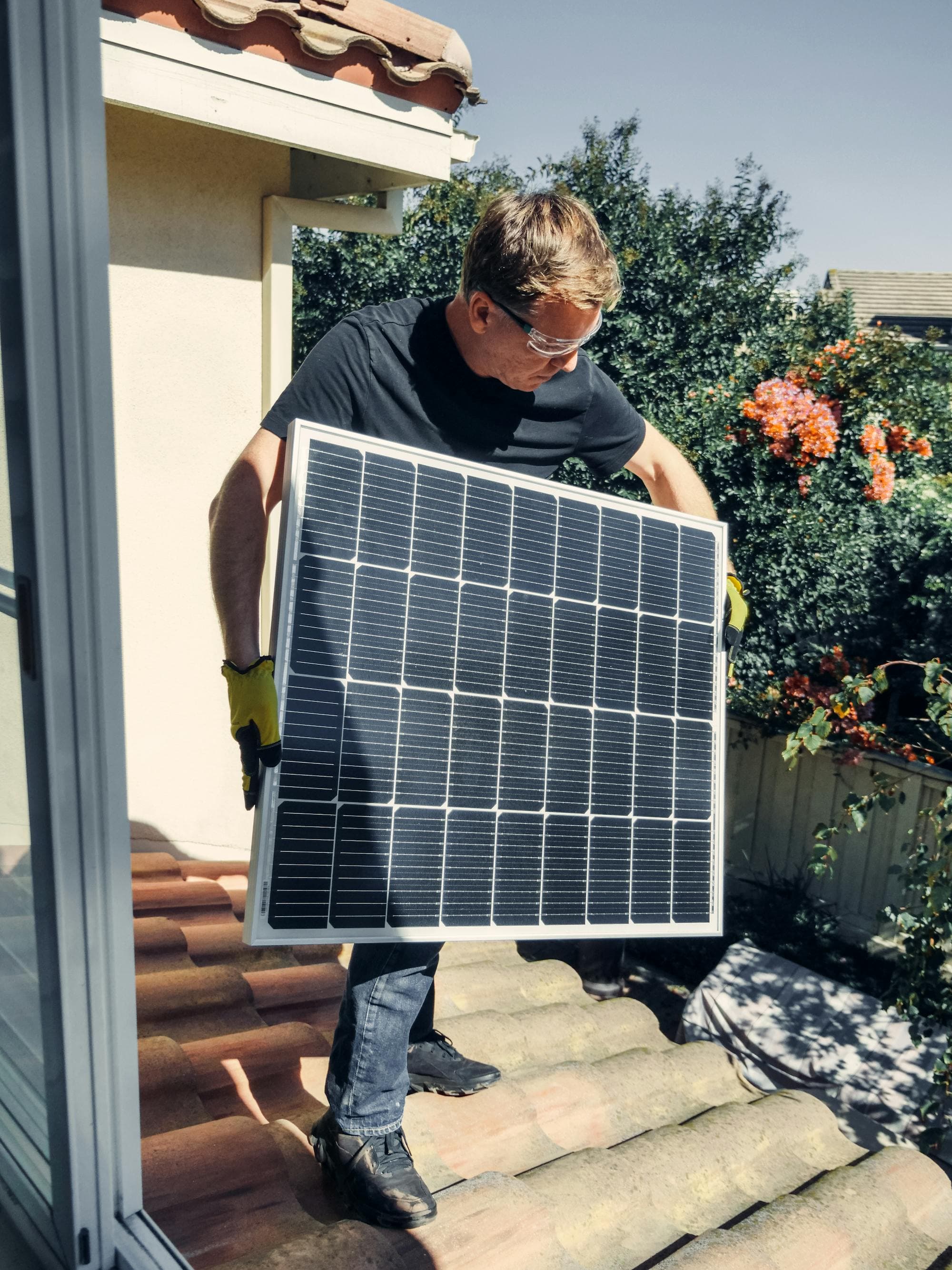
Yes. Flat roofs can be strong solar candidates when the roof has enough remaining life, safe access, good drainage, and a layout that supports racking or canopy-style design.
Why are flat roofs different from regular shingle roofs?
A flat roof has membrane, drainage, ballast, wind, parapet, access, and warranty concerns that a pitched asphalt shingle roof usually does not. EnergiSense reviews those details before a proposal is issued.
Is ballasted racking better than attached racking?
Neither is automatically better. Ballasted systems reduce roof penetrations but add weight. Attached systems can reduce ballast load but require roof penetrations and flashing details. Many New York flat roofs need a project-specific decision after roof and structural review.
Do Brooklyn and Queens flat roofs qualify?
Many do, but every building is different. Brownstones, rowhouses, attached homes, mixed-use buildings, and low-slope commercial roofs need roof-condition, access, shading, utility, and ownership review before design.
What NYC incentives matter for flat roof solar?
NYC properties may qualify for the Solar Electric Generating System property tax abatement, and New York residents may qualify for the state solar equipment credit. NY-Sun incentives vary by region, sector, block, and availability. EnergiSense checks current fit before proposal numbers are treated as real.
Is battery storage available for NYC flat-roof projects?
Battery storage is not available on NYC borough installs right now. NYC borough projects are solar-only, while Long Island, Westchester, Hudson Valley, and upstate projects may qualify for battery pairing.
What if my flat roof needs work first?
EnergiSense can review a roof-first path. If the roof is close to end of life, the cleaner move is to make it solar-ready before installing a 25-year array.
Flat-roof inquiry
Drop your zip.
We'll check the roof first.
EnergiSense reviews roof life, utility territory, and battery eligibility before recommending a flat-roof solar path.