Solar
Snow Load and Solar Panels in New York: What the Engineering Actually Says
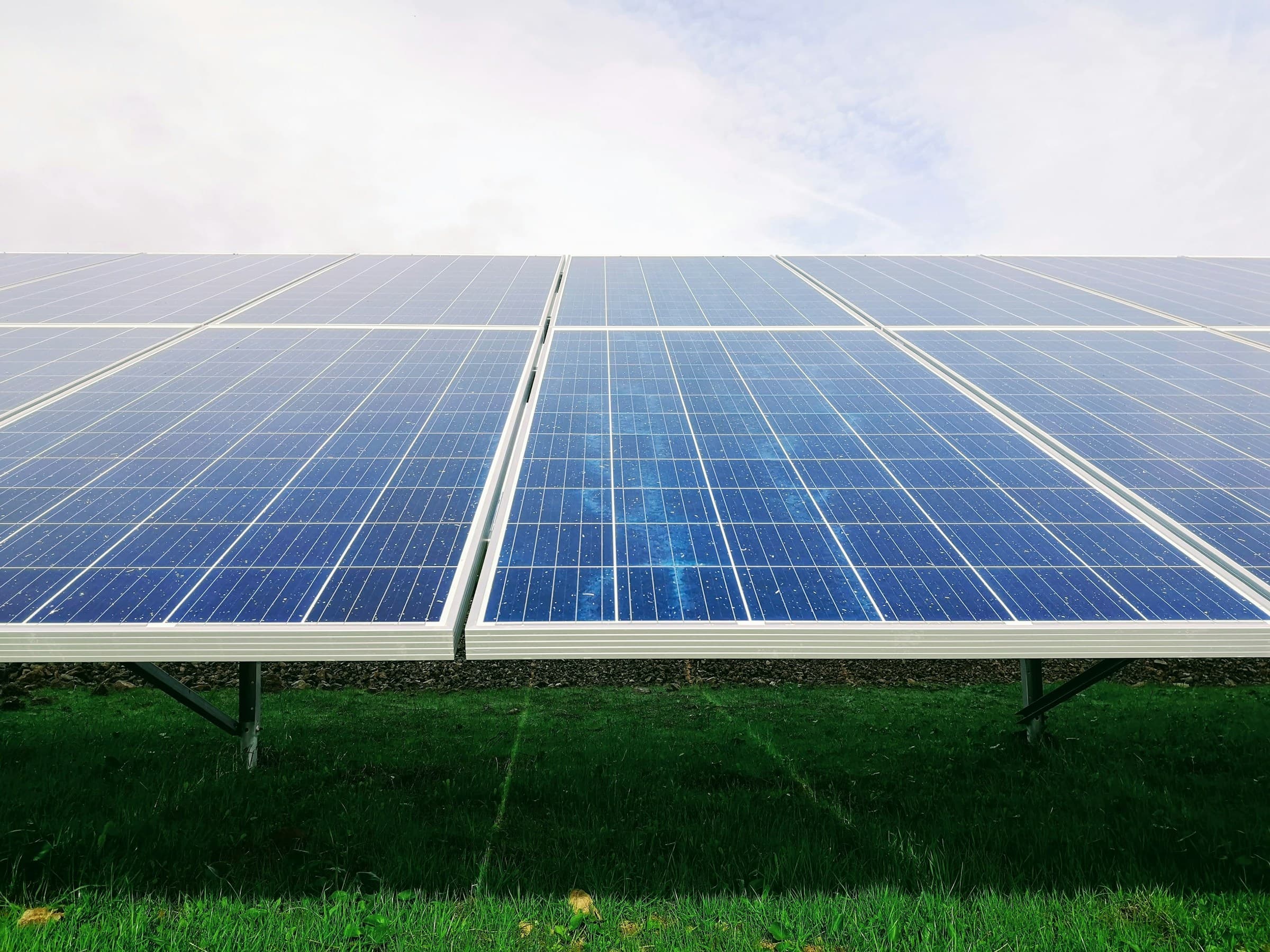
Snow load is the question every New York homeowner asks before signing a solar proposal. It is a reasonable question. NY winters are real. The engineering answer is that modern tier-1 solar panels are designed to handle the snow loads expected on residential roofs across the state under the applicable building codes, and that the practical loss of winter production is well-understood and built into the annual production model in any reputable proposal.
This article explains the actual snow load engineering — ASCE 7 ground snow load maps, IBC code requirements, panel mechanical load testing under UL 61730 / IEC 61215, racking system load ratings, and the self-shedding behavior that keeps most pitched-roof arrays from accumulating snow for long. It also covers the realistic winter production picture and what a NY-licensed installer should be willing to show in writing.
The goal is to let any NY homeowner verify the engineering rather than take an installer's word for it. The math should not be a black box.
The numbers, with sources
5,400 Pa
Typical front-face mechanical load rating for tier-1 residential solar panels under UL 61730 / IEC 61215, equivalent to about 113 lb/ft² on the panel face.
UL 61730 / IEC 61215 — Standard PV Module Safety QualificationASCE 7
ASCE 7 establishes ground snow load maps for the US. Residential design snow load is derived from ground snow load with importance, exposure, and slope factors.
ASCE 7 — Minimum Design LoadsIBC
The International Building Code (IBC) is the basis for New York's building code, including the structural load requirements that apply to solar racking.
NY Department of State — Uniform Code~30-40%
Typical reduction in monthly solar production across the snowiest two to four winter months in NY, recovered fully each spring. Reflected in any reputable annual production model.
NREL — PVWatts Calculator
What snow load means in residential solar engineering
Snow load on a solar panel is the force, per unit area, exerted on the panel by accumulated snow. In residential pitched-roof installations, snow load on the panel is determined by ground snow load (the baseline derived from ASCE 7 maps), the building code requirements (IBC, as adopted by NY State), the roof slope and orientation, the racking and attachment system, and the panel itself.
The panel's ability to handle snow load is verified in factory testing under UL 61730 / IEC 61215. Standard tier-1 residential panels carry a front mechanical load rating around 5,400 Pa, equivalent to about 113 lb/ft² on the face of the panel. Some premium modules are rated higher. This is comfortably above the design snow loads any standard NY residential roof has to be engineered for.
The racking system has its own load rating, also engineered against the same code basis. The combined system (panel + racking + attachment) is what your installer's structural engineer reviews against your roof.
NY ground snow load by region
ASCE 7 ground snow load values vary by location across NY. The table below is illustrative — the actual design value used in your project is whatever ASCE 7 / local building code specifies for your address. The point is that all of these values are well within the range modern tier-1 panels and racking systems are engineered to handle.
| Region | Approximate ASCE 7 ground snow load range | Implication for residential solar |
|---|---|---|
| Long Island | ~20–25 lb/ft² | Standard tier-1 panel and racking systems handle this comfortably |
| NYC boroughs | ~25 lb/ft² | Same — within design envelope for tier-1 systems |
| Westchester | ~30 lb/ft² | Same |
| Hudson Valley | ~30–40 lb/ft² | Same; panel + racking spec confirmed against design load |
| Catskills / higher elevation | ~40–50 lb/ft² | Still within tier-1 envelope; structural engineering verifies roof can carry combined load |
Self-shedding: why NY pitched-roof arrays do not stay snowy
Modern solar panels are made of tempered glass with a dark anti-reflective coating. When the sun is up — even on a cold winter day — the panel surface heats faster than surrounding shingle or membrane. That thermal differential, combined with the smooth glass and the typical roof pitch, causes accumulated snow to slide off within days of any meaningful sun exposure. The result is that pitched-roof arrays in NY rarely hold snow for long.
There are exceptions. North-facing roofs hold snow longer. Very low-pitch roofs hold snow longer. Roofs in deep shade hold snow longer. For most south-, east-, and west-facing residential pitched roofs in NY, self-shedding is the norm, not the exception.
Homeowners sometimes ask whether they should brush snow off the panels manually. The answer is generally no. The risk to the panel, the racking, and your safety (a snowy pitched roof is not safe to access) almost always outweighs the marginal production recovery. Wait for self-shedding.
Winter production: the realistic picture
December, January, and February are the lowest production months in NY. The combination of shorter days, lower sun angles, periodic snow cover, and cloudier weather typically reduces monthly production by around 30 to 40 percent compared to summer peaks. This is normal. It is built into the annual production model in any reputable NY proposal.
The annual production model uses tools like NREL's PVWatts (or similar) to estimate kWh by month for your specific address, orientation, and tilt. The annual total is what matters for the savings math — and the model already includes the winter dip.
If your proposal does not show monthly production, ask for it. Seeing the December–February valley and the May–August peak makes it concrete that the system is sized to your full year, not to a summer-only fantasy.
Roof pitch, orientation, and snow shedding
Roof pitch and orientation interact with snow accumulation in predictable ways:
- Pitch under ~10° (low-slope / flat): snow accumulates and self-sheds slowly. Plan for some winter production loss. Flat-roof solar arrays in Brooklyn, Queens, and the Bronx are usually tilted slightly to help with shedding.
- Pitch 10°–30° (typical low to mid pitch): standard residential range; reasonable shedding with sun exposure.
- Pitch 30°–45° (typical mid to steep pitch): excellent shedding behavior in most NY winters.
- Pitch above 45° (steep slate or specialty roofs): excellent shedding; access for installation is harder.
- South / SE / SW orientation: best shedding (sun-exposed faces heat fastest).
- East / West orientation: good shedding on sunny days.
- North orientation: snow holds longer; usually not productive for solar in NY anyway.
Snow load and the bundle decision
For older roofs near end of life, snow load is part of the bundle conversation. A roof that is structurally fine to carry the solar system on day one may still need replacement within the solar system's life — and roof replacement under a snow-loaded array is harder, more expensive, and more dangerous than roof replacement on a clean roof. That is one more reason the roof should usually come first in a bundle.
Questions to ask about snow load on your NY proposal
- What is the design snow load used for the structural review of my roof?
- What is the front mechanical load rating on the proposed panel model?
- What is the racking system load rating, and is it manufacturer-engineered for my roof pitch and attachment pattern?
- Was the combined panel + racking + roof load reviewed by a structural engineer or licensed engineer of record?
- What is the monthly production estimate for my address, including December, January, and February?
- What is the manufacturer warranty position on snow-induced damage, and does anything in my installation void it?
FAQs
Can solar panels handle New York snow loads?
Yes. Modern tier-1 residential solar panels are typically rated for a front mechanical load of about 5,400 Pa (~113 lb/ft²) under UL 61730 / IEC 61215, comfortably above the design snow loads required by code for any standard NY residential roof. Racking systems are similarly engineered. The combined system is reviewed against the building code requirements for your address.
Do I need to brush snow off my solar panels in NY winters?
Almost never. Modern panels self-shed snow within days of meaningful sun exposure thanks to the dark glass surface and typical roof pitch. The risk to the panels, the racking, and your safety (climbing on a snowy pitched roof is not safe) almost always outweighs the marginal production gain from manual snow removal. Wait for self-shedding.
How much production do I lose in NY winters?
December, January, and February typically run about 30 to 40 percent below summer peak production, depending on weather, sun angle, and orientation. The annual production model already includes this winter dip. Your annual savings number is based on the full year, not just summer.
Does snow load affect my warranty?
Modern panels are warranted to operate under the load ratings published in their warranty document, which typically include the snow loads expected on a residential pitched roof. As long as the installation follows manufacturer specification, snow alone does not void the warranty. Manual snow removal that damages the panel or racking can void coverage — another reason not to climb up there.
What about flat-roof solar in NYC and snow?
Flat or low-slope roofs (Brooklyn rowhouses, Queens flats, NYC roof decks) shed snow more slowly than steep pitched roofs. Most flat-roof solar arrays are tilted slightly to improve both production and shedding. The structural engineering reviews the combined panel + racking + snow load against the roof's capacity before sign-off.
Are some panel brands better in NY winters?
Marginally. Heterojunction (HJT) cell modules (like REC Alpha Pure-RX) tend to have slightly better low-light and cold-temperature behavior than standard mono PERC. All tier-1 brands compared in our best-panels article handle NY winters competently. The bigger driver of winter production is system design and orientation, not panel brand alone.
Will my Hudson Valley solar handle the snow load?
Yes. Hudson Valley design snow loads are higher than NYC or Long Island, but still well within the engineering envelope of tier-1 panels and reputable racking systems. The structural review confirms the combined load against your specific roof. Higher-elevation Catskills properties may need a closer engineering look, which a reputable installer will do as part of the proposal.
Does snow loss change my payback period in NY?
No, because the annual production model already accounts for it. The December–February dip is part of the year. A system sized correctly against your annual bill still hits its target. The payback math uses the annual number, not the summer peak.
About the author
Alex Lubin
Founder, EnergiSense — NABCEP PV Installation Professional
- NABCEP PV Installation Professional
- GAF Master Elite (top 2% of US roofers)
- Installs across Long Island, NYC, Westchester, and Hudson Valley
I get the snow load question on every winter consultation. The short answer is yes, the system is engineered for it. The longer answer is in this article so homeowners can verify the engineering rather than take the installer's word.
Full founder storyNext best page
Filed under: Solar
Get my quote