Solar
Will Solar Panels Work During a Long Island Power Outage? Battery Backup, Critical Loads, and PSEG LI Rules
Long Island homeowners usually ask about solar battery backup right after a storm. The lights go out in Nassau, the refrigerator warms up in Suffolk, the Wi-Fi dies in Queens, and the obvious question is fair: if the roof is covered in solar panels, why would the house still lose power?
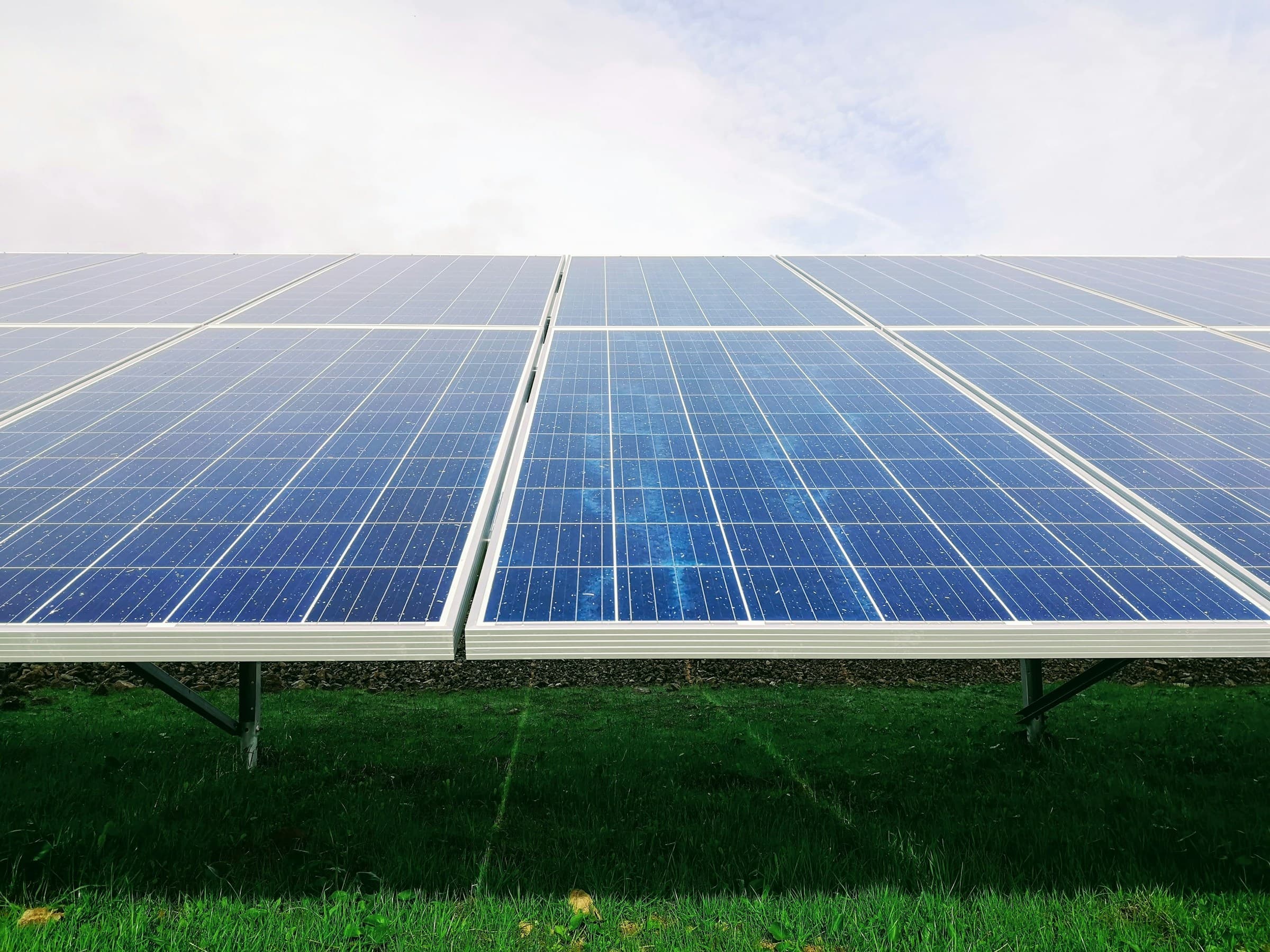
The answer is both simple and easy to oversell. A standard grid-tied solar system is built to lower the electric bill while the grid is operating. It is not automatically a backup generator. During an outage, a normal grid-tied system shuts down because exporting power into utility wires during a blackout can put lineworkers and emergency crews at risk. The panels may still be sitting in full sun, but without the right battery, inverter, transfer, and islanding equipment, that energy has no approved path to power your outlets.
That does not mean solar is useless in a blackout. It means backup has to be designed on purpose. A solar-plus-battery system can isolate the home from the grid, run selected circuits, and, in many designs, recharge from the roof during daylight. But backup duration is not a promise you can read from a brochure. It depends on the loads you choose, battery size, starting state of charge, weather, solar production during the outage, inverter limits, electrical code, utility interconnection rules, and whether the house is wired for whole-home or critical-load backup.
The July 6, 2026 PSEG Long Island storm update is a useful reminder of why this matters. PSEG LI said it had restored power to more than 34,800 customers affected by severe thunderstorms since Saturday night, while 4,170 of 1.2 million electric customers across Long Island and the Rockaways were still affected as of 9 AM. Eastern Suffolk County was hardest hit, with crews working 16-hour shifts and tree crews handling hundreds of downed trees and limbs. That is the real Long Island use case: not theory, but wind, trees, scattered restoration times, and homeowners deciding what they need to keep running while the utility works.
The numbers, with sources
91%+ restored
PSEG Long Island reported on July 6, 2026 that crews had restored more than 91% of customers affected by severe thunderstorms, with most remaining customers expected back by that night.
PSEG Long Island storm update - July 6, 20264,170 affected
As of 9 AM in the same update, PSEG LI said 4,170 of 1.2 million electric customers across Long Island and the Rockaways were still affected.
PSEG Long Island storm update - July 6, 2026May 1-Sep 30
PSEG Long Island describes Battery Storage Rewards events as occurring during the summer program period, generally on high-demand days, with participating batteries dispatched through aggregators.
PSEG Long Island - Battery Storage RewardsUp to 4 hrs
PSEG LI says Battery Storage Rewards events can last a maximum of four hours and typically happen fewer than 10 times each summer; annual payments are determined by the aggregator and battery performance.
PSEG Long Island - Battery Storage Rewards
The straight answer: solar alone usually shuts off in a blackout
Most residential solar on Long Island is grid-tied. That means the system is connected to the utility grid, exports excess production when allowed, and relies on an inverter that monitors grid voltage and frequency. When the grid is healthy, the inverter converts panel output into usable AC power for the home and utility interconnection. When the grid fails, the inverter stops exporting.
That shutdown is a safety feature, not a defect. If a home solar system kept energizing wires while PSEG Long Island crews were repairing storm damage, it could backfeed a line that workers expect to be dead. That is why the normal answer to "will my solar panels work during an outage?" is no, not by themselves. Panels produce DC electricity in sunlight, but a standard grid-tied system without approved backup equipment will not keep the house running.
Most guides online answer that basic point, but the decision Long Island homeowners need is deeper. Backup is not just "add a battery." The right design has to decide which circuits are backed up, whether the inverter can form a stable island, how the system disconnects from the grid, whether solar can recharge the battery while islanded, and whether the roof and electrical service are ready for that equipment.
- No battery or backup inverter: panels shut down during an outage, even on a sunny day.
- Battery plus compatible inverter and isolation equipment: selected loads can keep running when the grid is down.
- Whole-home backup: possible on some homes, but it requires larger battery and inverter capacity and careful load management.
- Critical-load backup: the most practical fit for many Long Island homes because it prioritizes essentials instead of trying to run everything.
- Backup runtime depends on the load, battery size, weather, system design, code, and utility requirements.
Critical-load backup vs. whole-home backup
Critical-load backup is the design most homeowners should understand first. Instead of trying to power every circuit in the house, the installer creates a backed-up loads panel or similar arrangement for the circuits that matter most during an outage. That usually means the refrigerator, selected lights, internet equipment, phone charging, heating controls or boiler controls where compatible, a sump pump where applicable, garage door opener, security equipment, and medical or mobility-related loads when the homeowner identifies them.
The advantage is control. A battery that might disappear quickly if it is asked to run central air, electric heat, an oven, laundry, pool equipment, and the entire house can last much longer when it is reserved for essentials. Critical-load design also avoids promising a homeowner "backup" and then letting one large appliance drain the battery before midnight.
Whole-home backup can be the right answer for some properties, but it is not a slogan. It needs enough battery capacity, inverter output, load control, transfer equipment, and homeowner discipline to survive real use. On Long Island, that often means a larger budget and a serious panel review. A home with electric vehicle charging, pool pumps, electric resistance heat, multiple HVAC compressors, or a large all-electric profile is a very different design from a gas-heated home that wants refrigeration, lighting, Wi-Fi, and boiler controls.
| Backup design | What it powers | Best fit | Main tradeoff |
|---|---|---|---|
| Critical-load backup | Selected essential circuits such as fridge, lights, Wi-Fi, boiler controls, sump, and charging | Most homes that want resilience without oversizing the project | Nonessential circuits stay off unless manually moved or separately designed |
| Whole-home backup | The main panel or most of the house, sometimes with load shedding | Homes with larger budgets, predictable loads, and a panel suitable for the design | Higher equipment cost and faster battery drain if large loads are not controlled |
| Generator plus solar | Depends on transfer design; generator usually carries high loads | Homes that need long-duration outage coverage through poor weather | Fuel, noise, maintenance, carbon monoxide safety, and more integration work |
| Solar only, no battery | Nothing during a grid outage in a standard grid-tied setup | Bill savings while the grid is up | No blackout power unless specialized approved backup equipment is added |
How PSEG LI Battery Storage Rewards fits into the decision
PSEG Long Island Battery Storage Rewards is not the same thing as outage backup, but it belongs in the same homeowner conversation. PSEG LI describes the program as a network of residential and commercial batteries that can operate together to reduce grid strain during hot summer days. Participants agree to let batteries supply power to the home or grid during scheduled events, and they receive an annual payment determined by the third-party aggregator and performance during those events.
That program context matters because it shows the utility value of distributed batteries on Long Island. It does not mean every enrolled battery is automatically sized or wired for your personal outage goal. A battery can participate in a grid program and still need a proper backup design to power the circuits you care about when a storm takes out service. The enrollment path, aggregator relationship, battery settings, reserve level, and opt-out rules all need to be understood before a homeowner assumes program participation equals emergency readiness.
PSEG LI says Battery Storage Rewards events occur during the May 1 through September 30 program period, can last up to four hours, and typically occur fewer than 10 times each summer. Aggregators receive advance notice and remotely discharge participating batteries. For an EnergiSense design, that raises practical questions: how much reserve should remain for storms, what does the homeowner want backed up, does the battery support the required mode, and does participation affect the savings model?
- Battery Storage Rewards can create annual payment opportunity, but payment terms are set through aggregators.
- Grid-support events are separate from storm outage backup design.
- Homeowners should understand reserve settings, aggregator dispatch, opt-out rules, and expected payments before relying on the battery.
- A battery has to be paired with compatible inverter and isolation equipment to run backup loads safely.
- EnergiSense reviews the PSEG LI context and the homeowner backup goal together instead of treating storage as a generic add-on.
What EnergiSense checks before recommending a battery
A real battery recommendation starts with the house, not with a product name. EnergiSense looks at the utility account, roof, solar production potential, electrical panel, service size, backup priorities, and the homeowner plan for storms. Nassau, Suffolk, and Queens homes do not all behave the same way. A shaded North Shore roof, a South Shore home with flood and wind exposure, an East End property with longer restoration risk, and a Queens rowhouse or flat-roof condition all call for different design judgment.
The first question is the PSEG Long Island or Con Edison service context. Most Long Island homes are under PSEG LI. Queens homes are usually in the Con Edison world even though they share some weather and roof conditions with Nassau. That utility difference changes interconnection, billing, and sometimes storage conversation. The question may say Long Island, but EnergiSense still separates Nassau, Suffolk, and Queens because the utility and building conditions can diverge.
The second question is the roof. Backup does not save money if the panels have to come down two years later for a roof replacement. On shingle roofs, EnergiSense checks age, layers, decking, flashing, penetrations, and whether the layout would block future roof work. On flat roofs, the ballast or attachment approach, drainage, parapets, membrane condition, and fire access matter. On metal roofs, standing seam can be excellent for solar, while exposed-fastener profiles need different attachments. Roof and solar belong in the same conversation before a battery is added.
The third question is the load list. "Keep the house running" is not a design input. "Keep refrigerator, kitchen lights, Wi-Fi, boiler controls, one bedroom circuit, phone charging, sump pump, and security up for a typical overnight outage" is a design input. EnergiSense turns that list into backed-up circuits, estimated energy use, inverter output needs, and a practical battery recommendation. If the homeowner expects central air, EV charging, pool equipment, or electric heat, we flag that early because those loads can change the project size fast.
- Utility: PSEG Long Island vs. Con Edison, interconnection path, meter and account details.
- Roof: age, condition, shading, layout, fire access, wind exposure, and whether roof replacement should come before solar.
- Electrical: main panel, service size, available breaker space, backed-up loads panel, transfer/islanding equipment, and code requirements.
- Loads: refrigerator, lights, Wi-Fi, medical devices, boiler controls, sump pump, HVAC, EV charger, pool equipment, and homeowner priorities.
- Battery fit: capacity, inverter output, recharge behavior from solar, reserve settings, monitoring, warranty, and storm operating plan.
Why roof plus solar bundles matter for battery backup
Battery backup is electrical, but roof condition still decides whether the project is smart. A homeowner can buy the right battery and still make a bad long-term move if the roof underneath the solar is near the end of life. Removing and reinstalling panels later adds cost, delays, and warranty confusion. For outage planning, it is even more disruptive because the home may depend on that array and battery during storm season.
This is where EnergiSense has a real advantage over a solar-only quote. As a GAF Master Elite roofer and NABCEP solar installer, the company can tell a homeowner whether to install solar and battery now, replace the roof first, or bundle roof plus solar plus storage into one plan. That matters in older Nassau homes, wind-exposed South Shore neighborhoods, wooded Suffolk properties, and Queens flat roofs where penetrations and drainage have to be treated carefully.
The business outcome is simple: build once, wire it correctly, keep the roof warranty clean, and avoid paying twice. If the roof is young and sound, the battery decision can move directly to load and utility design. If the roof is questionable, the backup conversation should include replacement timing. If a homeowner wants battery storage, solar, and a roof replacement anyway, a bundled project can reduce coordination risk because one accountable team owns the roof, the array, the electrical design, and the warranty path.
- Do not install a long-life solar-plus-battery project over a roof that is close to replacement.
- A bundled roof plus solar plan can avoid future panel removal and reinstall cost.
- Storm resilience depends on the roof staying watertight, not only on the battery keeping circuits alive.
- EnergiSense can evaluate GAF roofing, solar layout, and battery design in one site visit.
- The best outage project is the one that still makes sense 10 years after install.
The Long Island homeowner checklist
Before signing any solar battery backup proposal, ask the installer to answer these questions in writing. Will my solar shut down during an outage if I do not add the battery and compatible inverter? Which circuits are backed up? Is this a critical-load system or whole-home backup? Can the solar recharge the battery during an outage? What happens at night or during cloudy weather? What loads are excluded? What assumptions were used for backup duration? How does PSEG LI interconnection or program enrollment affect the design? What happens if I join Battery Storage Rewards? Is my roof ready to carry this system for the life of the project?
A weak proposal hides behind product names. A strong proposal translates your house into a system design: roof condition, utility path, panel layout, battery capacity, inverter output, backup circuits, load management, program eligibility, incentive assumptions, warranty, and the storm operating plan. That is the EnergiSense standard.
For Long Island homeowners, the right answer is rarely "solar or battery." It is usually a sequence: inspect the roof, confirm utility and code path, model the solar production, define critical loads, size the battery honestly, decide whether PSEG LI Battery Storage Rewards belongs in the financial case, and then build the project so the homeowner understands exactly what will and will not work when the next outage hits.
FAQs
Do solar panels work during a PSEG Long Island outage?
Standard grid-tied solar panels do not power the home during an outage by themselves. The inverter shuts down for safety so the system does not backfeed utility lines. To use solar during a blackout, the system needs compatible battery storage, inverter, transfer or isolation equipment, and an approved backup design.
Do I always need a battery for solar backup?
For most grid-connected Long Island homes, a battery system is the practical way to get reliable outage power from solar. Some specialized equipment can provide limited daytime backup, but homeowners who want predictable power for critical loads usually need a battery paired with compatible inverter and islanding equipment.
How long will a solar battery last during an outage?
Runtime depends on battery size, starting charge, which circuits are backed up, how much power those loads use, weather, solar recharge during daylight, and system settings. A refrigerator, Wi-Fi, lights, and boiler controls are very different from central air, EV charging, pool equipment, or electric heat. EnergiSense sizes backup from the actual load list instead of promising one generic number.
What is critical-load backup?
Critical-load backup means selected essential circuits are backed up instead of the entire home. Common loads include refrigeration, lighting, internet, phone charging, sump pump, security, boiler controls, and medical or mobility needs identified by the homeowner. It is often the most practical and cost-controlled battery design.
Is PSEG Long Island Battery Storage Rewards the same as backup power?
No. Battery Storage Rewards is a PSEG LI program where enrolled batteries can support the grid during scheduled high-demand events through third-party aggregators. Outage backup is the design that powers selected home circuits when the grid goes down. A homeowner should understand both, but they are not the same proof of readiness.
Should I replace my roof before adding solar and battery storage?
If the roof is near the end of life, yes, it should be addressed before or as part of the solar project. Installing panels and battery equipment over a roof that soon needs replacement can create avoidable removal, reinstall, and warranty costs. EnergiSense reviews roof condition before recommending the final solar-plus-storage path.
About the author
Alex Lubin
Founder, EnergiSense - NABCEP PV Installation Professional, GAF Master Elite
- NABCEP PV Installation Professional
- GAF Master Elite roofing contractor
- Long Island solar, roofing, and storage installer
I get the outage question after every hard Long Island storm: if I put panels on the roof, why would my house still go dark? The honest answer is that solar, storage, utility interconnection, and roofing all have to be designed as one system. EnergiSense evaluates the roof, the PSEG Long Island account, the electrical panel, the critical loads, and the battery fit before telling a homeowner what backup can actually do.
Full founder storyFiled under: Solar
Get my quote