Roofing
Should you replace your roof before solar panels?

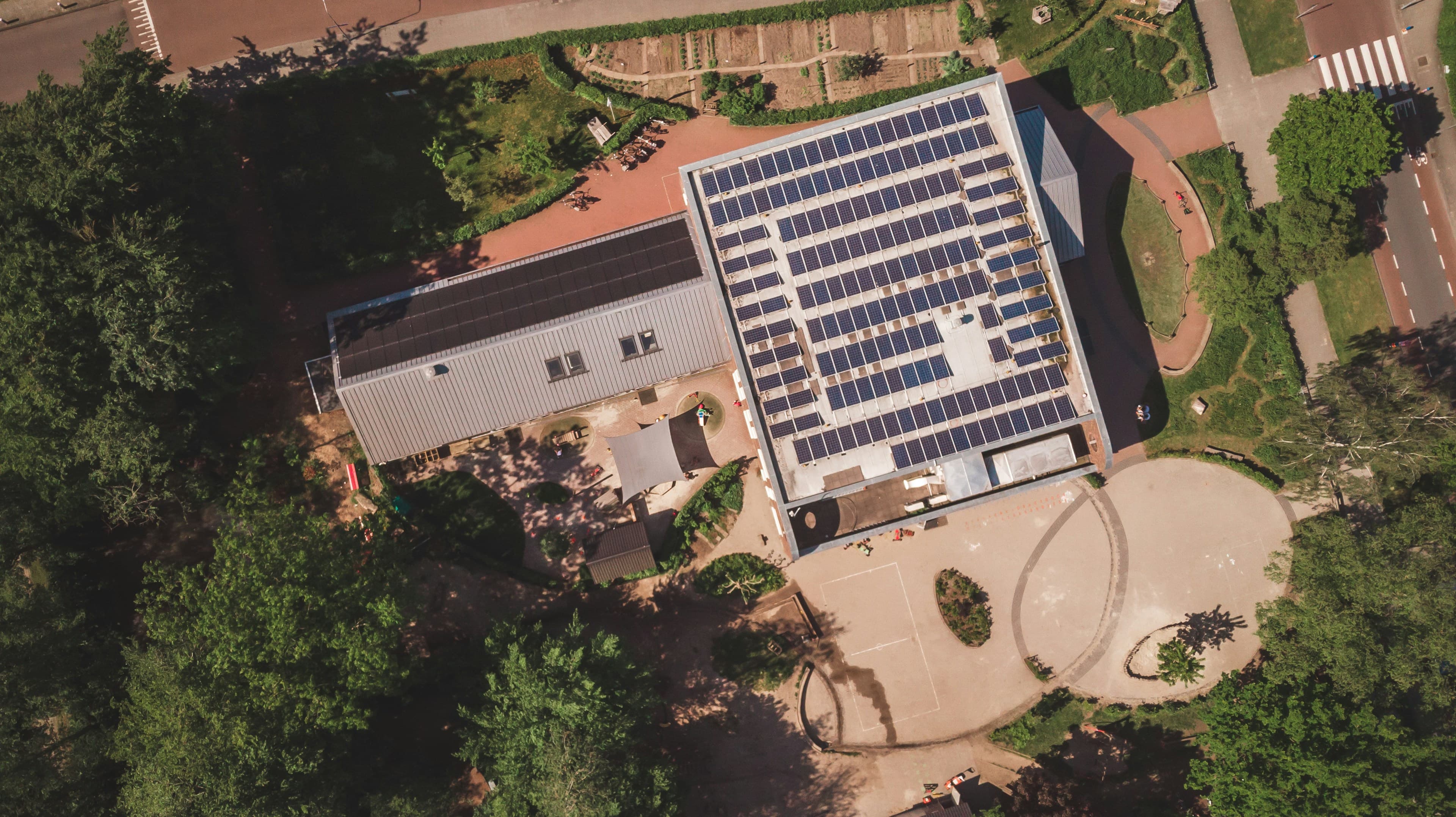
Most homeowners ask this question too late. They shop solar first, get excited by the savings estimate, then find out the roof underneath may not last as long as the system. That is the expensive sequence. According to the U.S. Department of Energy, most solar panels are designed to operate for 25 to 30 years. The roof has to be treated as the platform, not as a side issue.
The practical answer is this: if your roof is new, recently repaired, dry, properly ventilated, and likely to last through most of the solar system life, you may not need a replacement before solar. If the roof is older, leaking, soft, poorly ventilated, or likely to need major work in the next several years, the roof should be solved before panels go up.
That does not mean every solar customer needs a new roof. It means no solar quote should be trusted until the roof has been evaluated. A strong proposal shows the homeowner three things separately: the condition of the roof, the design and cost of the solar system, and the financial effect of doing the work in the right order.
The numbers, with sources
25–30 years
Modern solar PV system useful life
U.S. Department of Energy — Homeowner Solar Guide~0.5% / year
Typical PV module degradation rate
National Renewable Energy Laboratory (NREL)20–30 years
Architectural asphalt shingle service life
National Roofing Contractors Association (NRCA)30%
Federal Residential Clean Energy Credit on qualifying solar (through 2032)
IRS — Residential Clean Energy Credit~30% / 4 yrs
NYC solar property tax abatement (Admin Code §499-aaaa)
NYC Department of Finance$200–$500 per panel
Industry-reported range to remove and reinstall solar panels for later roof work
EnergySage / SolarReviews industry reportingTop 2%
GAF Master Elite contractor share — EnergiSense holds this credential
GAF Master Elite Program
The clean decision rule
Use the solar timeline as the filter. If the array is designed to operate for 25 to 30 years (per the U.S. Department of Energy), the roof underneath does not have to be brand new — but it should not be one storm, one leak season, or one insurance issue away from major work.
For asphalt shingles in New York, a roof that is near end of life should usually be replaced before solar. Architectural shingles typically deliver 20 to 30 years of service per NRCA guidance, so a roof past year 18 to 22 is a serious roof-first review even if it looks acceptable from the curb.
For flat and low-slope roofs, age alone is not enough. Membrane condition, drainage, seams, ponding, parapets, hatch access, equipment placement, and previous leak history all matter. A ten-year-old flat roof with ponding water may be less solar-ready than a fifteen-year-old roof that has been maintained well.
What it actually costs to do it in the wrong order
The hidden cost of installing solar on a roof that will need work soon is what the industry calls a remove and reinstall (R&R). If the roof fails three to seven years after solar is installed, the homeowner pays for the roof replacement AND for taking the array down, storing the equipment, coordinating two crews, putting it back up, re-permitting where required, and losing production while the array is offline.
EnergySage and other industry sources cite a typical residential R&R range of $200 to $500 per panel. On a common 20 to 30 panel residential system, that is roughly $4,000 to $15,000 of avoidable labor on top of the actual roof work.
| Scenario | Roof work | Solar R&R penalty | Order of operations |
|---|---|---|---|
| Roof age 0–7 yrs, dry, ventilated | $0 now | $0 | Solar-first is safe |
| Roof age 8–14 yrs, intact, some wear | $0–$3K spot repair | $0 if roof outlives system | Solar-first with documented roof inspection |
| Roof age 15–20 yrs, asphalt shingle | $10K–$25K replacement | $4K–$15K if deferred | Bundle: roof first, then solar |
| Roof past end of life or actively leaking | $10K–$30K replacement | $4K–$15K if deferred + leak risk | Roof-first, do not start solar |
| Flat roof with ponding or membrane wear | $8K–$25K membrane work | $4K–$15K + warranty void risk | Flat-roof inspection first |
Roof-first, solar-first, or roof + solar bundle
There are three legitimate paths. Roof-first means the roofing system is replaced or repaired before the solar design is finalized. Solar-first means the existing roof is healthy enough that panels can go up without creating obvious future rework. A roof + solar bundle means the project is coordinated as one plan while still keeping the roof cost and solar cost clear.
The bundle path is usually strongest when the roof has less expected life than the solar system. It lets the roofing crew fix decking, ventilation, flashing, pipe boots, and shingle or membrane details before the solar layout is locked. The homeowner avoids the most common mistake on this topic: installing panels over a roof that will need work soon.
| Situation | Best path | Why it matters |
|---|---|---|
| Roof is newer and dry | Solar-first | Focus on production, utility savings, and incentive eligibility. |
| Roof has 5–10 uncertain years left | Roof review before solar | A small issue becomes expensive once panels block roof access. |
| Roof is near end of life | Roof-first or bundle | Replacing the roof later may require panel removal, storage, and reinstall. |
| Flat roof has ponding or membrane wear | Flat-roof inspection first | Solar mounting can make drainage and membrane access harder if the roof is not ready. |
| Homeowner wants one financing path | Bundle with separated pricing | Coordinate the work without hiding roof and solar numbers together. |
By roof type — what changes when you go solar
Roof material changes the answer. Solar can be installed on most pitched roof systems and many flat systems, but the inspection checklist and the mounting method are not the same.
| Roof type | Typical service life | Solar friendliness | Watch-outs |
|---|---|---|---|
| Architectural asphalt shingle | 20–30 yrs (NRCA) | High | Most common in NY suburbs; standard rail-and-flashing mount. |
| Three-tab asphalt shingle | 15–20 yrs | Medium | Older stock; replace if past 15 yrs before solar. |
| Standing-seam metal | 40–70 yrs | Very high | Clamp mounts avoid roof penetrations; ideal long-term platform. |
| Concrete or clay tile | 50+ yrs | Medium | Specialized mounts; risk of tile breakage during install. |
| Slate | 75–100 yrs | Low | Brittle; many installers will not touch slate. Inspect before quoting. |
| Flat (TPO / EPDM / PVC) | 15–30 yrs by membrane | Medium to high | Ballasted vs attached racking; drainage and warranty terms. |
| Wood shake | 20–25 yrs | Low | Fire-code and insurance issues; not a good solar platform. |
The 33% rule and the 25% rule, explained
Two "rules" come up constantly in the roof-solar conversation. Both come from building and fire codes — not from a solar marketing pitch.
The 33% rule (sometimes called the "one-third rule") is shorthand for the rooftop solar access pathway requirements in the International Fire Code (IFC §605.11) and NFPA 1, which most US jurisdictions adopt. The codes generally require unobstructed pathway clearances around residential rooftop PV — typically reserving roughly one-third of the roof area for access, ridge setbacks, hip setbacks, and at least one clear path to the ridge for firefighters. The exact dimensions are set by your local code, but the practical effect is that a homeowner cannot legally cover the entire roof with panels.
The 25% rule is a roofing-code shorthand. Under the International Residential Code (IRC §R908) and most state amendments, if you are repairing a roof and the damage covers more than 25% of any single roof section, you may be required to replace the full roof section to current code rather than patching it. In a solar-after-storm scenario, this matters: a partial repair under installed panels may not be allowed if the damaged area is large enough.
For a New York homeowner, both rules push in the same direction: design solar around a clean, code-compliant roof, not the other way around.
"Free roof with solar" — what is real and what is a trap
You will see ads promising a free roof replacement with solar panels. Some of these offers are legitimate. Many are not. The honest version is straightforward: certain large national solar providers will bundle a roof replacement into the solar financing, and the cost is recovered through the monthly payment on a long solar loan or lease. That is not a free roof. It is a financed roof, with interest, sometimes spread over 20 to 25 years.
The IRS is also clear on this: the federal Residential Clean Energy Credit does not pay for ordinary roofing materials or structural components, even when the roof work happens at the same time as solar. Anyone telling you the whole roof is "covered by the tax credit" is reading the rules wrong.
The legitimate version of a roof + solar bundle keeps the roof cost and the solar cost separated on paper, lets you compare both against standalone quotes, and does not pretend the IRS reimburses traditional shingles.
The tax-credit mistake to avoid
Do not let anyone sell the roof as automatically eligible for the federal solar tax credit. Current IRS guidance says qualified clean energy expenses can include solar electric panels, eligible battery storage, and certain labor tied to the clean energy property. Traditional roofing materials and structural components that primarily serve a roofing or structural function generally do not qualify, even if the roof work is connected to solar timing.
That distinction matters because a combined roof and solar proposal can still be the right business decision without pretending the entire roof is a solar tax-credit item. The clean way to present it is separate: roofing scope, solar scope, battery scope if any, utility incentives, NYC abatement if eligible, and current tax guidance for the customer to confirm with a tax professional.
How a real inspection should read
A credible roof-before-solar review is not a sales opinion. It checks roof age, roof material, leak history, attic ventilation, decking condition, visible sagging, flashing, pipe boots, chimneys, skylights, gutters, tree shade, solar attachment zones, electrical route, and whether the roof plane can accept panels without forcing ugly or risky workarounds.
For flat roofs, the review adds membrane type, ponding water, drains, seams, parapets, existing HVAC equipment, hatch access, fire and service lanes, ballast load, wind exposure, and whether the roofing manufacturer will keep the warranty intact with the proposed mounting method.
- Ask for separate roof and solar scopes, even if the schedule is bundled.
- Ask what happens if the roof needs replacement after panels are installed.
- Ask whether ordinary roof replacement is being represented correctly for tax purposes.
- Ask who is responsible for roof leaks at attachment points.
- Ask whether the solar layout protects future roof access (33% rule pathway).
- Ask whether the installer is NABCEP certified and whether the roofing crew is GAF Master Elite or equivalent.
EnergiSense — why we built the bundle this way
EnergiSense is one of the only New York contractors that does both sides under one name. The roofing crew is GAF Master Elite (the top 2% of US roofing contractors, eligible to issue the full GAF labor warranty). The solar work is NABCEP-certified, which is the industry credential that separates trained PV installers from unlicensed operators.
That matters here because the answer to "should I replace my roof first" often depends on who is answering. A solar-only company has a reason to skip the roof question. A roofing-only company has no reason to model the utility economics. EnergiSense is built to give the homeowner both answers at the same time, and to keep the numbers clean: roof scope priced separately, solar scope priced separately, incentives and financing assumptions surfaced rather than buried in a single bundled monthly payment.
For Long Island, Nassau, Suffolk, Westchester, the Hudson Valley, Brooklyn, Queens, and the Bronx, the rule is simple. Inspect the roof first, model solar second, bundle only when the bundle makes the total project cleaner.
FAQs
How old can a roof be before solar panels are a bad idea?
There is no universal age cutoff, but a roof that may need major work in the next 5 to 10 years deserves a serious roof-first review before solar. For architectural asphalt shingles with a 20 to 30 year service life (per NRCA), that usually means a roof past year 15. Modern solar systems are designed for 25 to 30 years (per the U.S. Department of Energy), so the roof should be expected to last most of that window. Condition matters more than age on flat roofs.
Can solar panels go on an old roof?
They can physically go on many older roofs, but that does not make it a smart project. The question is whether the roof can protect the home and support the array through enough of the system life. If the roof is likely to fail before year 12 to 15 of the solar system, you are signing up for a remove-and-reinstall job later — typically $200 to $500 per panel of avoidable labor.
Does the solar tax credit pay for a new roof?
Generally, no for traditional roofing materials. The IRS distinguishes clean energy property (panels, eligible battery storage, certain solar-specific labor) from ordinary roofing or structural components. Anyone telling you the whole roof is covered by the federal Residential Clean Energy Credit is reading the rules wrong. Confirm any tax treatment with a tax professional.
Is a roof and solar bundle always better?
No. It is better when the roof actually needs work and the proposal keeps roofing, solar, incentives, and financing transparent. A healthy roof may not need a bundle. A vague bundled proposal that hides the roof cost inside the solar number is a warning sign, not a deal.
What is the 33% rule for solar panels?
It is shorthand for the rooftop solar fire-access pathway requirements in the International Fire Code (IFC §605.11) and NFPA 1, adopted by most US jurisdictions. The codes typically require unobstructed setbacks and at least one clear path to the ridge for firefighters, which usually means roughly one-third of the roof area cannot be covered with panels. Exact dimensions depend on your local code.
What is the 25% rule in roofing?
Under the International Residential Code (IRC §R908) and most state amendments, if more than 25% of a roof section is damaged or being repaired, you may be required to replace the full roof section to current code rather than patching it. In solar terms: a partial repair under installed panels may not be allowed if the damaged area is large enough — another reason to handle a marginal roof before solar.
What happens to my roof when solar panels are removed?
Panel removal exposes mounting points (lag bolts or clamps) and the flashings around them. A qualified crew removes the array, protects the mounting points, lets the roof be replaced as a normal roof, and then reinstalls the array with new flashing where required. The risk in a careless removal is roof leaks at the original attachment points. This is why the roofing crew and the solar crew should be coordinated — ideally under one contractor.
Do solar panels protect your roof?
Modestly. Panels shade the roof underneath, reduce UV exposure and thermal cycling on the covered area, and can extend shingle life in those zones. But panels do not waterproof the roof, do not fix existing leaks, and do not change the underlying material. The portions of the roof NOT covered by panels still age normally. Treat shading as a small bonus, not a reason to skip roof work that should be done anyway.
About the author
Alex Lubin
Founder, EnergiSense — Independent Solar Advisor
- NABCEP PV Installation Professional
- GAF Master Elite (top 2% of US roofing contractors)
- Long Island, NY since 2021
Alex Lubin founded EnergiSense on Long Island in 2021 to give New York homeowners one person — not a call center — who covers both the roof and the solar system end-to-end. He holds the NABCEP PV Installation Professional certification (the industry credential that separates trained installers from unlicensed operators) and his roofing crew is GAF Master Elite certified, the top 2% of US roofing contractors. Every install carries Alex's name and a 5.0 Google rating across 17 reviews.
Full founder storyNext best page
Filed under: Roofing
Get my quote