Roofing
Roof replacement with solar panels: one project or two?
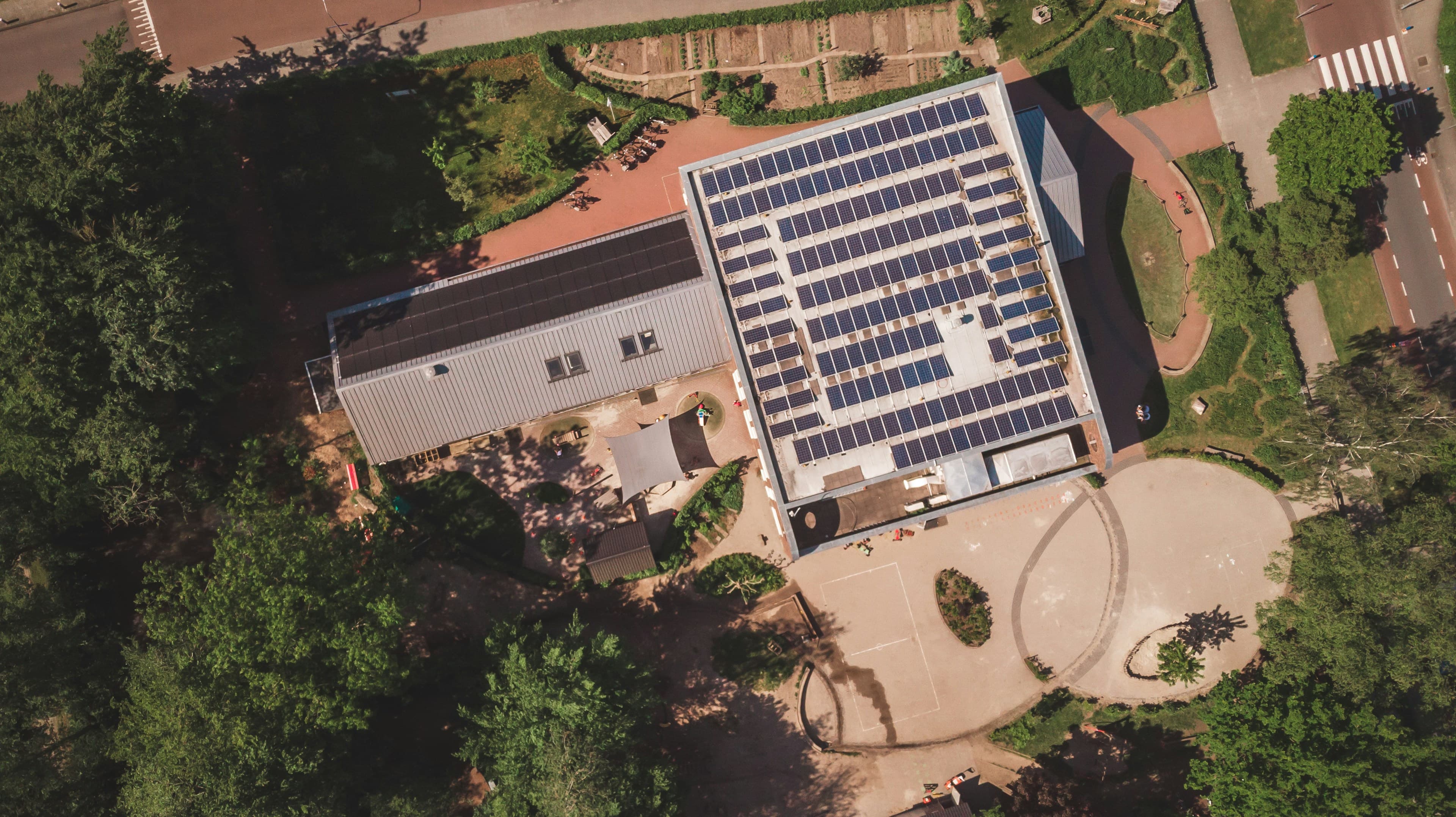
Roof replacement with solar panels can be handled in two ways: one coordinated project or two separate projects. The wrong answer is not automatically one or the other. The wrong answer is signing a proposal before anyone has shown how the roof condition, solar layout, warranties, incentives, and utility timing interact.
In New York, this decision comes up constantly because the housing stock is mixed. A Nassau homeowner may have a fifteen-year-old shingle roof and strong PSEG savings. A Brooklyn homeowner may have a flat roof, Con Edison service, DOB filing, and a valuable NYC property tax abatement. A Westchester homeowner may have tree shade and an older electrical panel. The project sequence changes the economics.
The safest rule is to separate the numbers but coordinate the plan. That means the roof scope should be priced clearly, the solar scope should be priced clearly, and the homeowner should be able to see whether doing them together saves time, avoids rework, and protects the long-term system.
The numbers, with sources
25–30 yrs
Modern solar PV system useful life
U.S. Department of Energy — Homeowner Solar Guide20–30 yrs
Architectural asphalt shingle service life (NRCA general guidance)
National Roofing Contractors Association$200–$500
Per-panel cost to remove and reinstall for roof work after solar is installed
EnergySage / SolarReviews industry reporting30%
Federal Residential Clean Energy Credit on qualifying solar (not on standard roofing)
IRS — Residential Clean Energy CreditTop 2%
GAF Master Elite share of US roofing contractors (EnergiSense holds this credential)
GAF Master Elite Program~0.5% / yr
PV module degradation rate (affects how long the array deserves a fresh roof underneath)
NREL Photovoltaic Degradation Rates Study
When one coordinated project wins
One coordinated roof and solar project usually wins when the roof is aging, the homeowner wants solar soon, and the solar system is expected to outlast the current roof. In that case, replacing the roof first avoids panel removal later. It also gives the solar designer a clean surface, predictable attachment points, and a better chance of preserving the roofing warranty.
The benefit is operational as much as financial. The roofing crew can fix decking, flashing, ventilation, drip edge, pipe boots, and low-slope details before racking is designed. The solar crew can then design against the finished roof instead of guessing around future roof work.
When two separate projects make sense
Two separate projects can make sense when the roof is already new, when the homeowner is not ready to install solar yet, or when the roof work needed is minor and does not affect solar attachment areas. In those cases, forcing a bundle can add complexity instead of reducing it.
Separate projects also make sense when financing terms are materially better apart. Some homeowners may want to pay cash for roof repair and finance solar separately. Others may need to wait for tax or utility clarity before signing the solar agreement. The key is not to separate the thinking. Even if the projects happen months apart, the roof should still be evaluated for the solar plan.
The proposal should never hide the numbers
The biggest risk in a bundled project is vague pricing. A homeowner should not accept one big number that makes it impossible to know what is roofing, what is solar, what is battery, what is finance cost, and what is assumed incentive value. That creates tax risk, comparison risk, and trust risk.
A clean roof + solar proposal should show the roof system, solar system size, panel and inverter choices, battery if included, warranty terms, utility assumptions, expected annual production, and every incentive assumption separately. If the proposal depends on a tax credit, rebate, abatement, or utility program, it should identify which part of the project it applies to.
| Line item | What the homeowner should see | Why it matters |
|---|---|---|
| Roofing | Material, decking allowance, ventilation, warranty, labor scope | Prevents a hidden low-quality roof from carrying a long-term solar system. |
| Solar | System size, equipment, production estimate, monitoring, interconnection path | Shows whether the energy math works without confusing it with roof cost. |
| Battery | Capacity, backup loads, gateway equipment, incentive assumptions | Avoids treating storage like an automatic add-on when the use case is backup or rate control. |
| Incentives | Federal, state, utility, and NYC items separated | Keeps tax and abatement claims from being overstated. |
| Financing | APR, dealer fees, monthly payment, term, tax-credit assumptions | Stops a low monthly payment from hiding the real cost. |
The roofing warranty has to be protected
Roof replacement before solar is only valuable if the new roof is installed as a real roofing system, not as the cheapest surface under the panels. For GAF roofing work, that means the full roofing assembly, installer credential, and warranty path matter. For flat roof membranes, it means the mounting method has to respect the manufacturer requirements.
The NYC HPD solar ownership guide warns building owners to coordinate with the roofer or manufacturer so the solar installation does not void an existing roof warranty. That is not just a commercial-building issue. The same logic applies to residential shingle, flat, and low-slope roofs.
How the sequence should work
A strong one-project sequence is simple. First, inspect the roof and electrical conditions. Second, decide whether roof repair, roof replacement, or no roof work is required. Third, design the solar layout around the actual roof that will carry the system. Fourth, model utility savings and incentive eligibility. Fifth, schedule roof work before solar work. Sixth, close the job with monitoring, warranty documents, and clear records.
The weak sequence is the opposite: sign solar first, discover roof problems later, rush a roof quote, change the solar layout, then hope the paperwork still matches. That is how a homeowner loses time and leverage.
EnergiSense position
This decision sits directly between roofing and solar, and many contractors are stronger on one side than the other. A solar-only company may downplay roof risk. A roofing-only company may not model the utility economics. EnergiSense handles both, so the goal is to show the entire project in plain English.
The recommendation should be conservative: do one coordinated project when it prevents future removal and reinstall work, but never bury the roof inside the solar number. The homeowner should understand exactly what is being built and why.
FAQs
Can roof replacement and solar panels be done at the same time?
They can be coordinated as one project, but the roof work should happen before the final solar installation. The solar design should be based on the finished roof condition.
Should I use the same company for roofing and solar?
It can help if the company is qualified on both sides and keeps pricing transparent. The advantage is coordination. The risk is vague bundling, so separate scopes are still important.
Will replacing my roof delay solar?
It may add time at the beginning, but it can prevent a much bigger delay later if panels need to be removed for roof work after installation.
Can I finance roof and solar together?
Sometimes, but financing should be reviewed carefully. Monthly payment, interest rate, dealer fees, tax assumptions, and incentive timing should all be clear before signing.
About the author
Alex Lubin
Founder, EnergiSense — Independent Solar Advisor
- NABCEP PV Installation Professional
- GAF Master Elite (top 2% of US roofing contractors)
- Long Island, NY since 2021
Alex Lubin founded EnergiSense on Long Island in 2021 to give New York homeowners one person — not a call center — who covers both the roof and the solar system end-to-end. He holds the NABCEP PV Installation Professional certification (the industry credential that separates trained installers from unlicensed operators) and his roofing crew is GAF Master Elite certified, the top 2% of US roofing contractors. Every install carries Alex's name and a 5.0 Google rating across 17 reviews.
Full founder storyNext best page
Filed under: Roofing
Get my quote