Solar
Flat roof solar panels in New York: what homeowners need to know
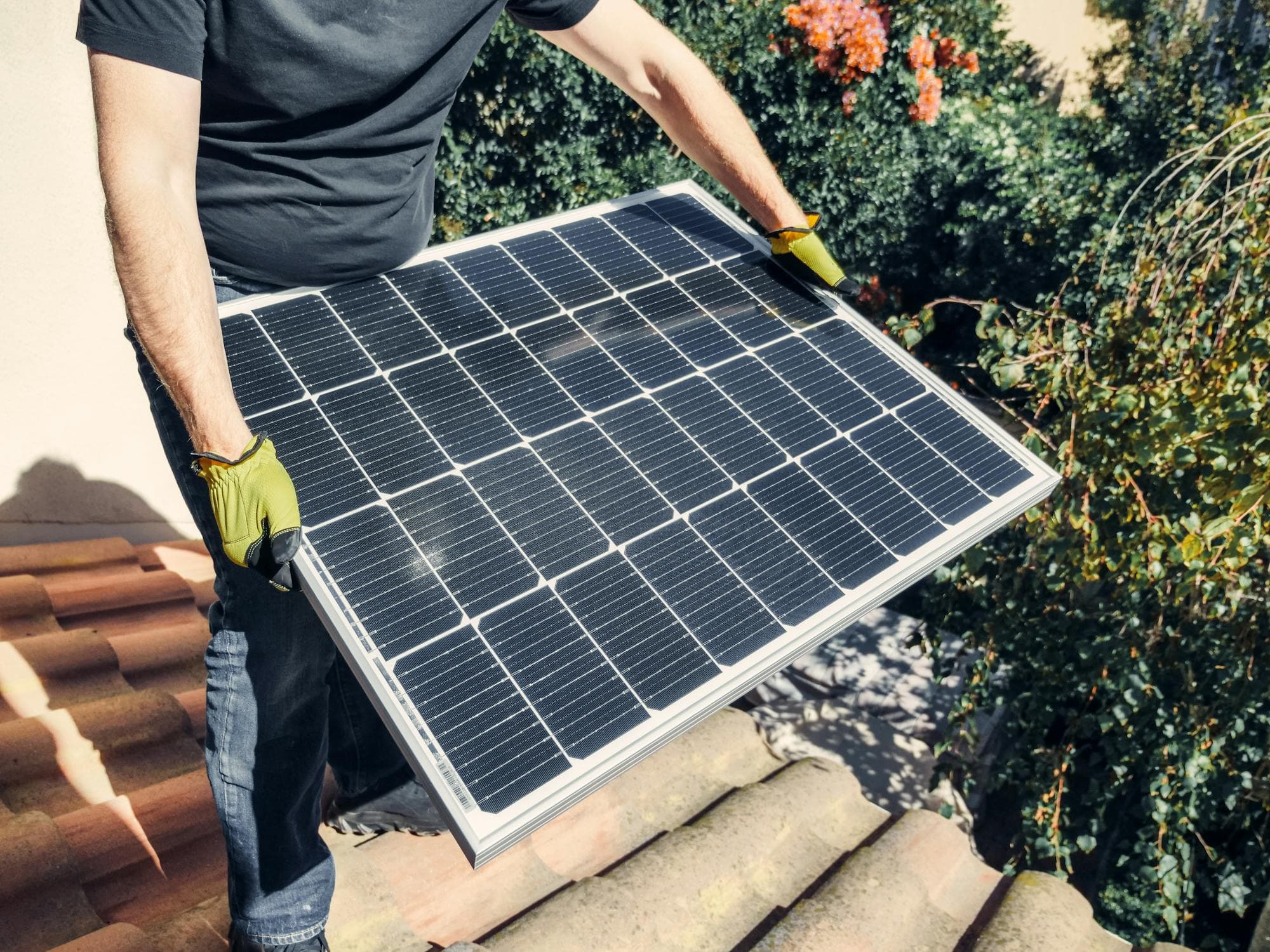
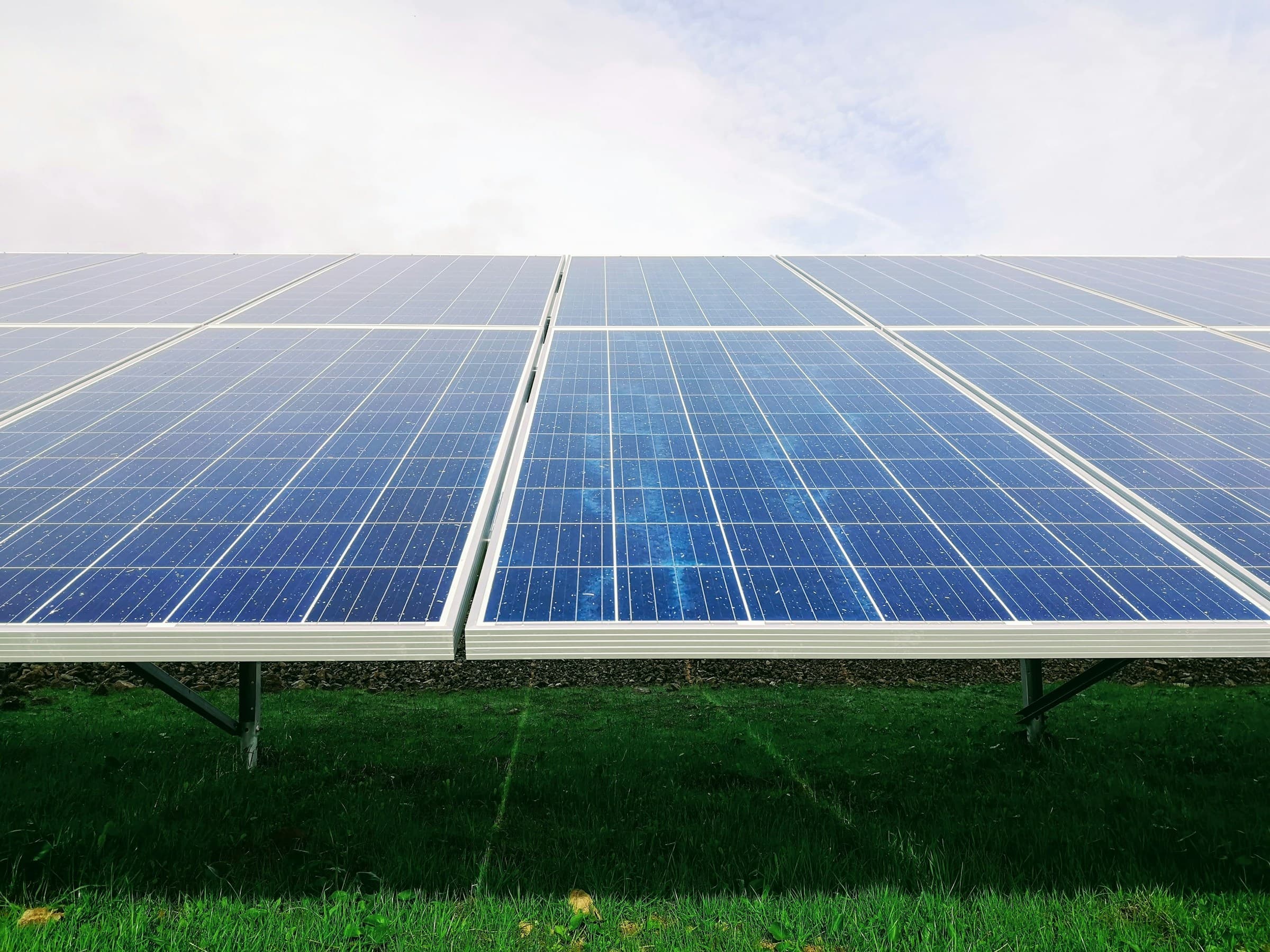
Flat roof solar panels are not a niche issue in New York. Brooklyn, Queens, the Bronx, parts of Manhattan, sections of Long Island, and many multifamily or commercial properties use flat or low-slope roof systems. That makes flat-roof solar a local question worth answering carefully.
The opportunity is real because flat roofs can offer open roof planes, useful sun exposure, and flexible panel orientation. The risk is also real because flat roofs depend on drainage, membrane condition, roof access, load management, and careful mounting. A pitched-roof solar playbook is not enough.
The homeowner or building owner needs a different answer than "yes, solar works on flat roofs." The real answer is: solar can work well on a flat roof when the roof is healthy, the mounting method is matched to the structure, the layout preserves access, and the proposal accounts for NYC or utility-specific rules.
The numbers, with sources
15–30 yrs
Flat-roof membrane service life (varies by TPO, EPDM, PVC, modified bitumen)
National Roofing Contractors Association2.5–5 lb/ft²
Typical ballasted flat-roof solar weight load on the membrane
NREL Best Practices for Commercial PV3 ft / 18 in
Standard rooftop PV fire-pathway clearances under IFC §605.11
International Fire Code — Rooftop PV30% / 4 yrs
NYC property tax abatement on eligible flat-roof solar in the boroughs
NYC Department of Finance30%
Federal Residential Clean Energy Credit (applies to flat-roof systems too)
IRS — Residential Clean Energy Credit25–30 yrs
PV system life (panels often outlive the original flat membrane)
U.S. Department of Energy — Homeowner Solar Guide
What makes New York flat roofs different
New York flat roofs are often busy roofs. They can include parapets, drains, scuppers, vents, skylights, HVAC equipment, roof hatches, fire access areas, and older membrane systems. A solar design that ignores those details may fit more panels on paper, but it can create service, leak, and inspection problems.
NYC also has local filing and access considerations that many national solar pages do not explain. A borough flat roof may involve DOB paperwork, fire pathway rules, Con Edison interconnection, and the NYC solar and storage property tax abatement. Long Island flat roofs may be more utility-economics driven through PSEG Long Island, but the mounting and roof-life questions still come first.
The roof inspection comes before panel count
A flat roof solar quote should begin with the roof, not with the number of panels. The inspector should look for membrane age, ponding water, open seams, soft spots, patched areas, roof drains, parapet conditions, previous leaks, access limitations, and whether the roof warranty allows the proposed solar mounting method.
The NYC HPD solar ownership guide says best practice is to install solar on a new or recently repaired roof so major roof work is not expected for years after installation. That is exactly the point EnergiSense should bring to homeowners: flat-roof solar is excellent when the roof is ready, but expensive when the roof is skipped.
Flat roof mounting options
Most flat roof systems use ballasted, attached, or hybrid mounting. Ballasted systems use weight to hold equipment in place and can reduce penetrations. Attached systems mechanically fasten into the roof structure and can reduce ballast load. Hybrid systems use both methods to manage wind, weight, and waterproofing.
No homeowner should be asked to choose the mounting method from a brochure. The building decides. Structure, membrane, wind exposure, roof height, parapets, access, and manufacturer rules all shape the right answer.
| Mounting type | Strength | Watch-out |
|---|---|---|
| Ballasted | Fewer or no roof penetrations in many designs | Adds weight and can make roof access harder under the array. |
| Attached | Lower ballast load and strong wind resistance | Every attachment point must be flashed and waterproofed correctly. |
| Hybrid | Balances weight, wind, and penetration count | Requires a designer who understands both roofing and solar constraints. |
Weight, tilt, and spacing
Flat roof panels are usually tilted rather than mounted completely flat. Tilt can improve production and help with water shedding, but it also creates row-to-row shading. More tilt is not automatically better if it reduces how many panels can fit or causes one row to shade another.
Weight is the second major design issue. Ballast, racking, panels, snow loads, wind forces, and service access all matter. Some homes can support a ballasted system comfortably. Others need a lighter attached or hybrid approach. For uncertain structures, the correct move is engineering review, not guesswork.
Leaks and warranties
The fear with flat-roof solar is leaks. The best answer is not to pretend leaks are impossible. The best answer is to show the waterproofing plan. If penetrations are used, the flashing method, sealant, attachment product, and manufacturer rules matter. If ballast is used, the protective pads, drainage paths, and service lanes matter.
Warranty clarity should be part of the proposal. The solar installer should explain whether the roofing manufacturer needs to approve the method, whether an approved roofer must flash penetrations, and what happens if there is a leak near the array after installation.
How the local flat-roof question should be answered
A New York homeowner asking about flat roof solar panels is usually not looking for a science lesson. They are trying to decide whether their roof type blocks them from going solar, whether panels will leak, whether the roof can carry the system, and whether a local installer understands NYC or Long Island rules. Those questions should be answered directly before the sales pitch starts.
A useful guide should therefore include the local roof types, the mounting choices, the risk questions, the borough and utility differences, and the next step. That is how EnergiSense gives Brooklyn and Queens homeowners a clearer answer than thin articles that only explain flat roofs in general.
It should also tell the homeowner when solar should wait, because honest disqualification can build more trust than another optimistic production estimate.
EnergiSense position
A generic national answer misses the borough roof reality, so EnergiSense starts there. That means roof condition, mounting method, DOB path, Con Edison or PSEG utility modeling, NYC tax abatement where applicable, and access after installation.
The message is simple: flat roofs are strong solar candidates when they are treated as flat roofs. The company that protects the roof first deserves the job.
FAQs
Can you put solar panels on a flat roof in New York?
Yes. Flat and low-slope roofs can be good solar candidates, but they need a roof-specific review for membrane condition, drainage, structure, mounting, access, and local filing requirements.
Do flat roof solar panels cause leaks?
They should not when designed and installed correctly. Leak risk depends on roof condition, attachment method, flashing, drainage, and whether the roof warranty requirements are followed.
Is ballasted mounting better for a flat roof?
Not always. Ballasted mounting can reduce penetrations, but it adds weight. Attached or hybrid systems may be better when load, wind, or service access is the bigger issue.
Do NYC flat roof solar projects qualify for the property tax abatement?
Eligible NYC solar and battery projects may qualify, but property type, timing, filing, and program rules matter. The installer should coordinate the abatement paperwork with the permit path.
About the author
Alex Lubin
Founder, EnergiSense — Independent Solar Advisor
- NABCEP PV Installation Professional
- GAF Master Elite (top 2% of US roofing contractors)
- Long Island, NY since 2021
Alex Lubin founded EnergiSense on Long Island in 2021 to give New York homeowners one person — not a call center — who covers both the roof and the solar system end-to-end. He holds the NABCEP PV Installation Professional certification (the industry credential that separates trained installers from unlicensed operators) and his roofing crew is GAF Master Elite certified, the top 2% of US roofing contractors. Every install carries Alex's name and a 5.0 Google rating across 17 reviews.
Full founder storyFiled under: Solar
Get my quote