Roofing
What is a solar-ready roof?
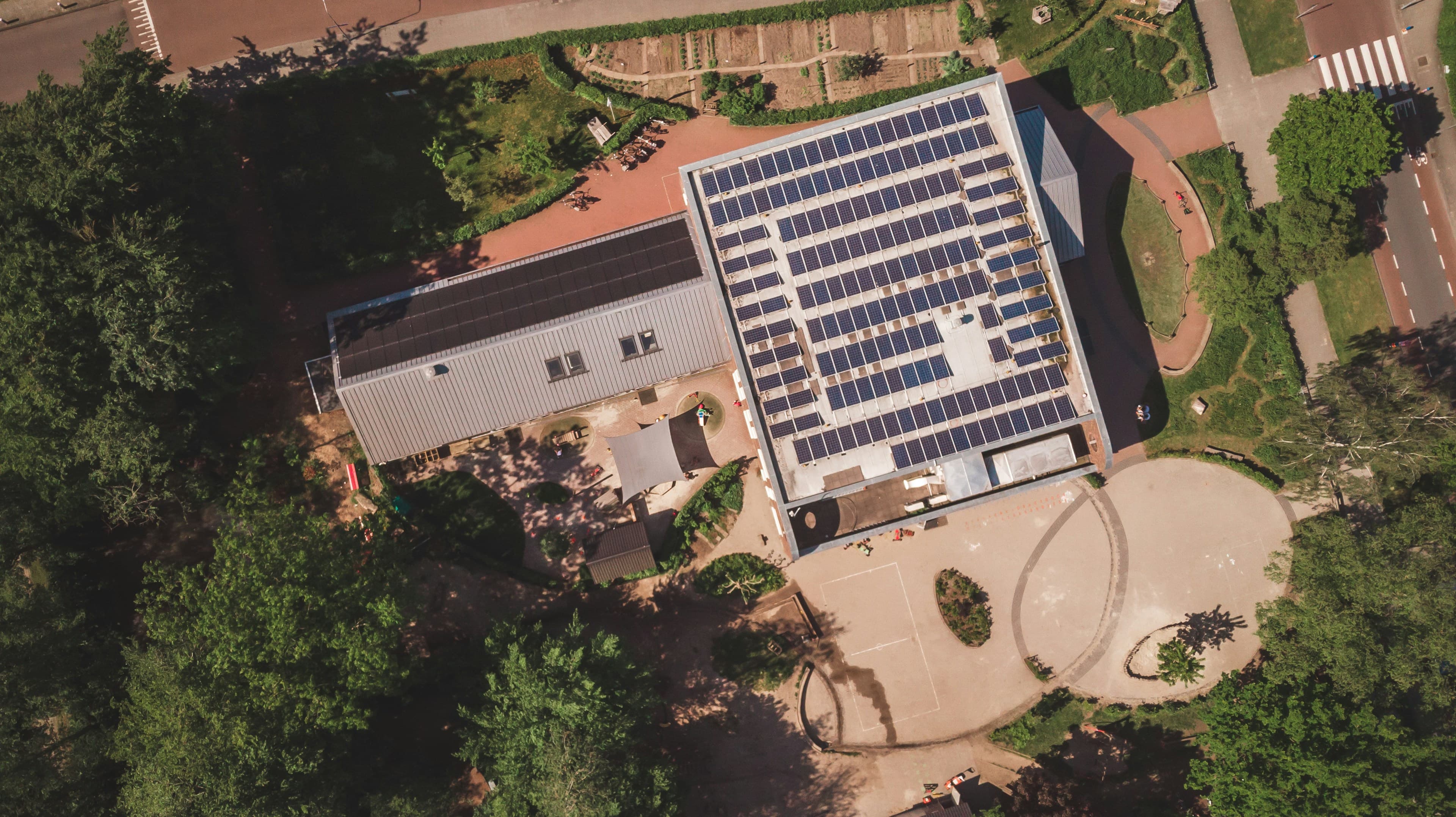
A solar-ready roof is not a sales pitch. It is a roof that meets six specific conditions that allow a 25-30 year solar system to operate without forcing remove-and-reinstall labor before the array reaches end of life.
When all six conditions are met, solar-first is a clean project. When one or more fail, the right answer is roof-first or a coordinated bundle. The expense is not "is the roof solar-ready" — it is "what happens five years from now if the roof needs work under installed panels."
This guide walks through the six checks an honest contractor runs before quoting solar on any specific roof.
The numbers, with sources
25–30 yrs
Modern PV system useful life — sets the platform timeline
U.S. Department of Energy — Homeowner Solar Guide20–30 yrs
Architectural asphalt shingle service life (NRCA general guidance)
National Roofing Contractors Association40–70 yrs
Standing-seam metal roof service life (best long-term solar platform)
Metal Roofing Alliance15–30 yrs
Flat-roof membrane life by type (TPO, EPDM, PVC, modified bitumen)
NRCA Roofing Manual200A
Typical residential service panel size required for most modern solar + battery installations
NEC 690 Solar Photovoltaic Systems$200–$500
Per-panel cost to remove and reinstall solar if roof fails during the array's life
EnergySage / SolarReviews industry reporting
Check 1: age
Architectural asphalt shingles deliver roughly 20-30 years of service life per NRCA general guidance. Modern solar systems are designed for 25-30 years per the U.S. Department of Energy. The math is simple: the roof should have most of the solar system's expected life ahead of it.
A roof past year 15-18 deserves a serious roof-first review. A roof past end-of-life is not solar-ready regardless of how it looks from the curb.
Check 2: material
Different roofing materials carry different solar-ready signals. Architectural asphalt (the most common in New York) works well for rack-mounted solar. Standing-seam metal is the best long-term platform because of its 40-70 year service life and clamp-mount option that needs no penetrations. Tile and slate require specialized mounting; some installers will not work on slate at all. Flat membranes require their own mounting decision tree.
| Material | Solar-readiness | Watch-outs |
|---|---|---|
| Architectural asphalt | High | Most common; standard rail-and-flashing mount |
| Three-tab asphalt | Medium | Older stock; replace if past 15 yrs |
| Standing-seam metal | Highest | Clamp mounts avoid penetrations; ideal platform |
| Tile / clay | Medium | Specialized mounts; tile breakage risk |
| Slate | Low | Brittle; many installers will not work on it |
| Flat / low-slope | Variable | Mounting method depends on membrane + structure |
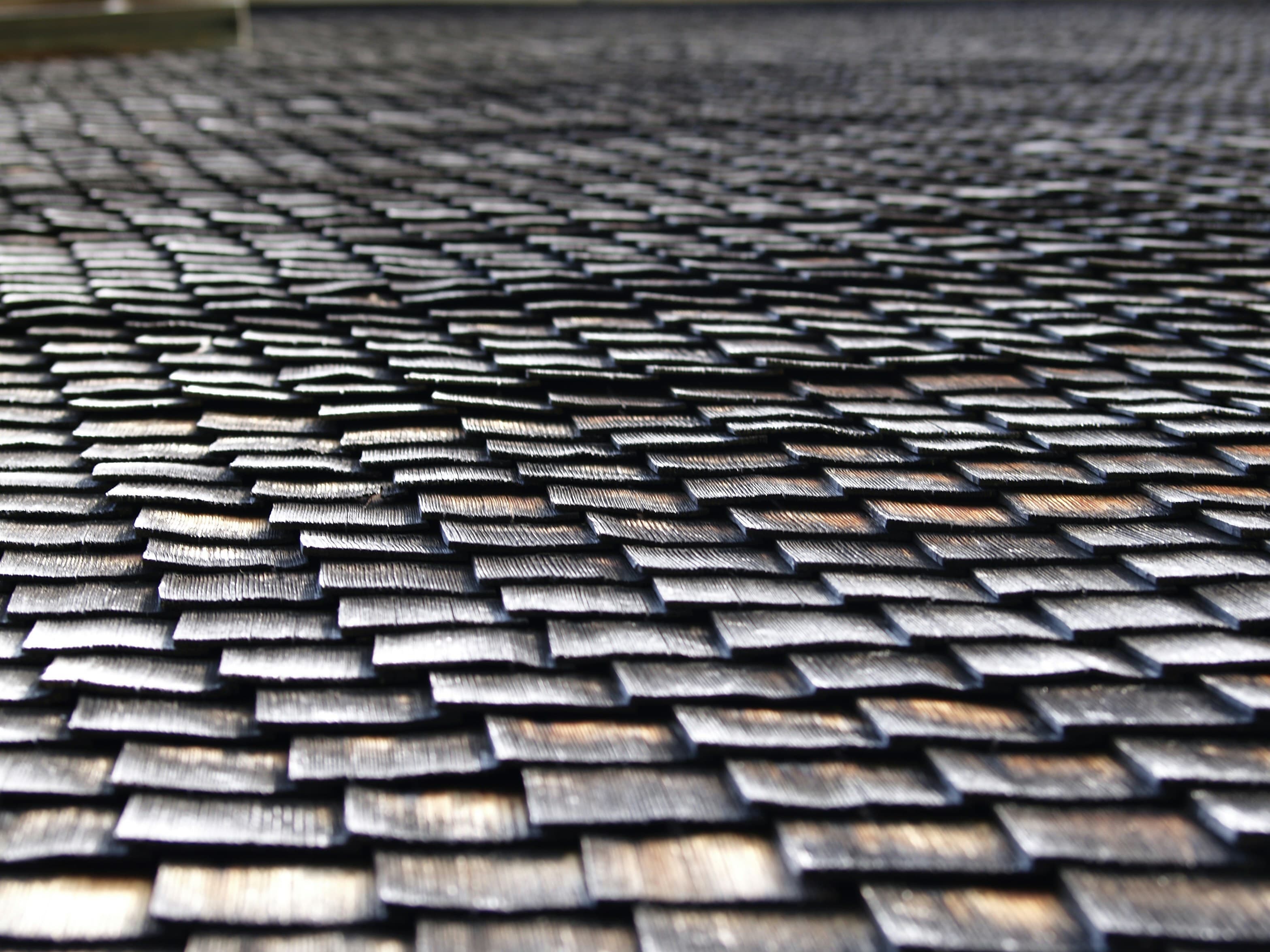
| Wood shake | Low | Fire-code and insurance issues; not a good platform |
Check 3: condition
A roof can be the right age and material and still fail solar-readiness on condition. Active leaks, soft or rotted decking, poor attic ventilation that bakes shingles from below, missing flashing at penetrations, sagging rafters, or large damaged areas all push the roof off the solar-ready list.
Condition is what an actual on-site inspection determines. Photos and satellite imagery are not enough.
Check 4: structural capacity
A residential solar array adds roughly 3-5 lb per square foot of distributed dead load plus wind uplift force during storms. Most modern wood-frame homes built to code can handle that, but older homes, large overhangs, and homes with previous structural modifications may need engineering review.
Flat-roof projects (especially ballasted systems at 2.5-5 lb/ft²) push the structural capacity question even harder. Engineering review is standard.
Check 5: electrical path
A modern residential solar system ties into the main service panel. Most projects require a 200A service panel (or larger) to accommodate the solar back-feed circuit per NEC 690 rules. Older 100A or 150A panels often need an upgrade before solar can interconnect.
Battery storage adds additional electrical requirements: a backup gateway, a critical-loads sub-panel (for partial-home backup), and possibly a service-panel upgrade if total load exceeds capacity.
Check 6: orientation and shade
South-facing roofs produce the most energy in New York. Southeast and southwest also work well. East and west are 10-15% lower production. North-facing roofs are usually not viable for grid-tied solar.
Shade is the production killer. Tall trees on the south side, neighboring buildings, dormers, chimneys, and even other parts of the same roof can shade the array during peak production hours. Microinverters and power optimizers help, but they do not eliminate shade losses.
EnergiSense — the solar-ready inspection
EnergiSense runs all six checks before quoting solar. The output is one of three answers: solar-ready (proceed), roof-first (replace or repair roof before solar), or bundle (coordinate roof and solar as one project).
No solar quote should be trusted until those six checks have been run on the specific roof.
FAQs
How do I know if my roof is solar-ready?
Run the six checks: age (within first half of service life), material (asphalt, metal, healthy flat membrane), condition (no leaks or soft decking), structural capacity (deck + joists carry the array), electrical path (200A panel typical), and orientation (south, SE, or SW with low shade). An honest on-site inspection covers all six.
What is the best roof for solar?
Standing-seam metal is the best long-term solar platform — 40-70 year service life, clamp-mount option needing zero penetrations, and the panels outlive the roof in only the most extreme cases. Architectural asphalt is the most common and works well; metal is the upgrade.
Is my electrical panel big enough for solar?
Most modern solar installations require a 200A residential service panel to accommodate the solar back-feed circuit per NEC 690. Older 100A or 150A panels usually need an upgrade. Battery storage may push electrical requirements further. An electrician determines what is required for your specific home.
Can solar go on a north-facing roof?
In New York, north-facing roofs produce roughly 30-40% less energy than south-facing roofs and are usually not the right place to install solar. East and west faces work but produce 10-15% less than south. South, SE, and SW are the production winners.
How much shade is too much shade?
Any shade during peak production hours (typically 10 AM to 2 PM) materially reduces output. Microinverters and power optimizers help mitigate, but heavy tree cover on the south side often makes a property a poor solar candidate regardless of roof condition.
Will solar void my roofing warranty?
Not if the installer follows manufacturer-approved mounting. GAF (and most major asphalt shingle manufacturers) require attachments using approved flashing kits. Flat-roof membrane manufacturers (Carlisle, GAF Roofing Systems, Firestone) publish their own approved mounting details. Using approved methods preserves the warranty.
About the author
Alex Lubin
Founder, EnergiSense — Independent Solar Advisor
- NABCEP PV Installation Professional
- GAF Master Elite (top 2% of US roofing contractors)
- Long Island, NY since 2021
Alex Lubin founded EnergiSense on Long Island in 2021 to give New York homeowners one person — not a call center — who covers both the roof and the solar system end-to-end. He holds the NABCEP PV Installation Professional certification (the industry credential that separates trained installers from unlicensed operators) and his roofing crew is GAF Master Elite certified, the top 2% of US roofing contractors. Every install carries Alex's name and a 5.0 Google rating across 17 reviews.
Full founder storyNext best page
Filed under: Roofing
Get my quote