Incentives
Con Edison solar net metering: NYC and Westchester guide

Con Edison covers the five NYC boroughs plus Westchester and small parts of the Hudson Valley. The utility name is the same, but the homeowner project is not.
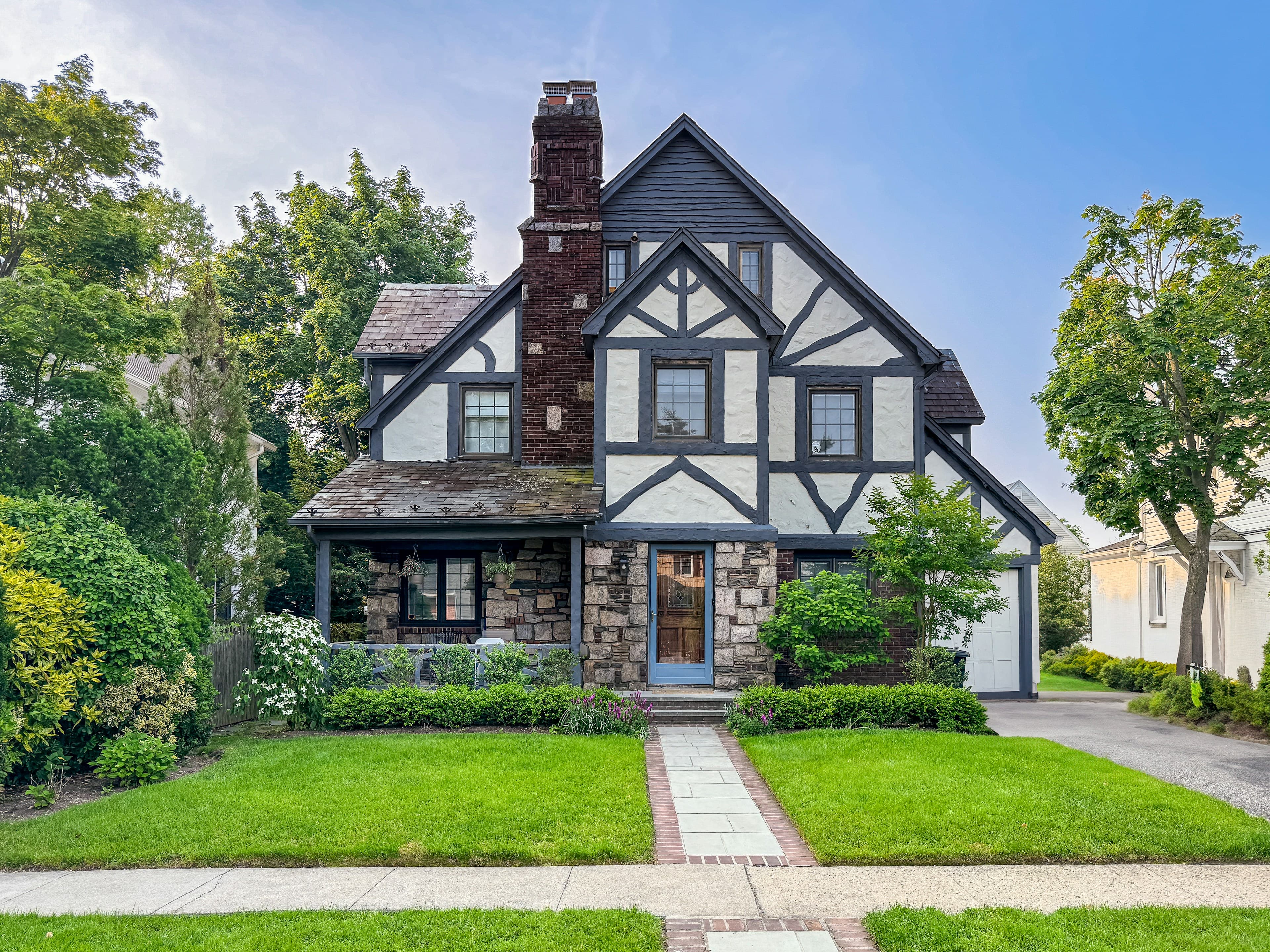
A Brooklyn rowhouse with a flat roof on Con Edison faces DOB filing, NYC property tax abatement eligibility, Con Edison interconnection, and a different roof story than a Westchester home with a pitched asphalt roof, possible tree shade, and no NYC abatement. The same Con Edison net metering credit math sits underneath both, but the project economics surrounding it differ.
The strongest Con Edison solar proposal explains the utility math, identifies the borough or county incentive context, models the roof, and shows where battery storage moves the needle on time-of-use rates.
The numbers, with sources
1:1 retail
Con Edison residential net metering credit ratio (current rules)
Con Edison — Net Metering for Solar~$0.30/kWh
NYC / Westchester Con Edison residential retail rate (higher than Long Island, makes solar savings strong)
U.S. Energy Information Administration — NY State Profile30% / 4 yrs
NYC property tax abatement on eligible solar + storage (NYC only, not Westchester)
NYC Department of Finance30%
Federal Residential Clean Energy Credit through 2032
IRS — Residential Clean Energy Credit25%
New York State solar tax credit (capped at $5,000)
NY Department of Taxation and Finance — Form IT-25525–30 yrs
Modern PV useful life — compounds against Con Edison's higher retail rate
U.S. Department of Energy — Homeowner Solar Guide
How Con Edison residential net metering settles
Under current Con Edison rules, residential customers with solar systems generally credit exported kWh at the full retail rate, with bill credits rolling month to month and an annual true-up.
Con Edison's residential retail rate is among the highest in the country, currently around $0.30/kWh including delivery and supply, which is roughly 50 percent higher than PSEG Long Island. That means each exported kWh is worth more in NYC and Westchester than the same kWh on Long Island, all else equal.
NYC vs Westchester — same utility, different project
The difference between an NYC Con Edison project and a Westchester Con Edison project is mostly incentive stack and roof. NYC borough projects can claim the 30% NYC solar property tax abatement (capped at $250,000, applied over four years), which Westchester homeowners cannot. NYC borough projects also tend to have flat or low-slope roofs that change the solar design.
Westchester projects more commonly have pitched asphalt or metal roofs, possible tree shade, and battery storage decisions weighted toward time-of-use savings and outage resilience. The roof, the incentive stack, and the battery question all need to be modeled per property.
| Item | NYC borough Con Edison | Westchester Con Edison |
|---|---|---|
| Net metering | 1:1 retail rate | 1:1 retail rate (same) |
| Retail rate | ~$0.30/kWh | ~$0.28–0.30/kWh |
| NYC property tax abatement | 30% / 4 yrs (eligible) | Does not apply |
| Typical roof type | Flat / low-slope | Pitched asphalt or metal |
| Permit path | NYC DOB filing | Local jurisdiction |
| Battery case | Backup + abatement-eligible storage | Backup + time-of-use savings |
Time-of-use rates and the battery case
Con Edison offers voluntary residential time-of-use (TOU) rate plans where electricity costs more during peak hours (typically afternoon and early evening) and less off-peak. A battery paired with solar can charge during low-cost off-peak or excess solar production hours and discharge during peak hours, which captures arbitrage on top of net metering credit.
That makes battery storage materially more interesting in Con Edison territory than under flat-rate PSEG Long Island, especially for Westchester homeowners with larger evening loads. Backup-power value is layered on top.
What changes when the roof is involved
NYC flat-roof projects need membrane, drainage, fire-pathway, and DOB review before the solar layout is finalized. Westchester pitched-roof projects need shingle age, ventilation, and attachment review. In both cases, a roof past end-of-life under installed panels turns into a remove-and-reinstall problem later — typically $200-$500 per panel of avoidable labor.
EnergiSense covers both sides, so the roof review is not a separate sales process bolted onto solar.
EnergiSense position — the Con Edison playbook
EnergiSense models Con Edison projects per property: pull 12 months of bills, identify rate plan (flat vs TOU), check property tax abatement eligibility for NYC properties, model roof condition, size the array to actual usage, and only recommend battery storage when the math (TOU + backup value) supports it.
The strongest borough or Westchester proposal shows utility math, incentive math, and roof math separately so the homeowner can compare quotes honestly.
FAQs
Does Con Edison offer 1-to-1 net metering for residential solar?
Yes, under current Con Edison residential rules, exported solar kWh credit at the retail rate. Credits roll month to month, with an annual true-up at the avoided-cost rate for any remaining surplus.
How is solar in NYC different from solar in Westchester under the same utility?
Same Con Edison net metering, but NYC adds the 30% property tax abatement (capped at $250,000, applied over four years) and uses NYC DOB permit filing. NYC roofs are mostly flat, Westchester roofs are mostly pitched. Battery storage is weighted toward time-of-use savings + backup in both, but the abatement only fires for NYC properties.
Is Con Edison the most expensive electricity in the country?
Con Edison residential rates are among the highest in the US, currently around $0.30/kWh combined supply and delivery. That high retail rate is exactly why solar payback is fast in Con Edison territory compared to lower-rate regions.
Does a battery make sense on a Con Edison time-of-use rate?
Often yes, especially in Westchester. TOU plans price afternoon and evening kWh higher than off-peak, so a battery that discharges during peak hours can capture meaningful arbitrage. Backup-power resilience adds to the case.
Will Con Edison cap how much solar I can install?
Con Edison interconnection has standard sizing thresholds based on annual usage. Generally, residential systems sized to 100-110 percent of annual usage face no extra friction; significantly oversized systems may require additional studies or be limited.
Can I stack the federal credit with the NYC property tax abatement?
Yes. The federal Residential Clean Energy Credit (30% of qualifying solar) is a federal income tax credit. The NYC property tax abatement is a separate, local property tax reduction. They apply to different tax bases and can both be claimed on an eligible NYC project.
About the author
Alex Lubin
Founder, EnergiSense — Independent Solar Advisor
- NABCEP PV Installation Professional
- GAF Master Elite (top 2% of US roofing contractors)
- Long Island, NY since 2021
Alex Lubin founded EnergiSense on Long Island in 2021 to give New York homeowners one person — not a call center — who covers both the roof and the solar system end-to-end. He holds the NABCEP PV Installation Professional certification (the industry credential that separates trained installers from unlicensed operators) and his roofing crew is GAF Master Elite certified, the top 2% of US roofing contractors. Every install carries Alex's name and a 5.0 Google rating across 17 reviews.
Full founder storyNext best page
Filed under: Incentives
Get my quote