
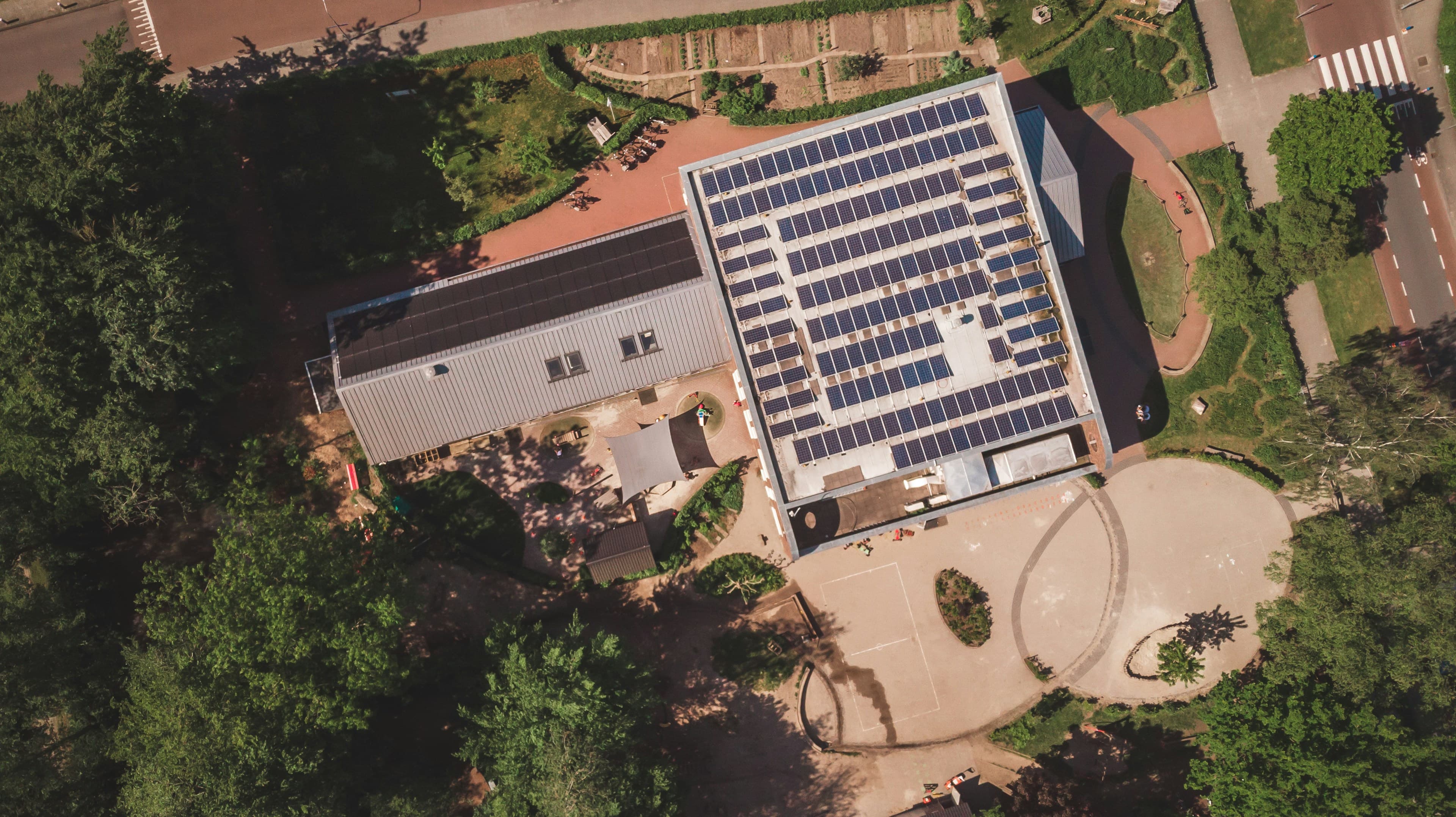
Solar Panel Inspection · Long Island
Know what your solar system is doing.
Before you pay for the wrong fix.
EnergiSense reviews monitoring, bills, visible array and roof conditions, system history, and the reason you are concerned—then Alex confirms whether the right next step is inspection, maintenance, cleaning, warranty support, repair, roof work, or no immediate work.
- Existing and orphaned systems
- Nassau + Suffolk
- Performance and roof context
- Founder-reviewed intake
Inspection before recommendation
Evidence first.
One practical next step.
Know what is installed
Equipment, age, original installer, ownership, monitoring, warranty, and service history establish the baseline.
Understand what changed
Bills, production, alerts, weather, shade, roof work, storms, and household usage help narrow the real question.
Separate the next service
Inspection, cleaning, repair, roof work, warranty coordination, and replacement are different decisions with different proof.
When to request a review
The system does not need to be broken
for the question to be real.
This service is for owners who have an existing array and an unanswered decision. The strongest requests include a clear trigger and enough system evidence for Alex to choose the right first step.
01
The electric bill changed
The bill is higher than expected, but the monitoring app does not make the cause clear. A useful review compares recent production, utility usage, weather and shade context, and visible system conditions before anyone assumes the panels failed.
02
You are buying a solar home
A buyer needs more than “the panels work.” System age, ownership or lease documents, equipment, monitoring access, production history, roof condition, warranties, and the original installer all affect the decision and the next service owner.
03
The original installer is gone
An orphaned system can keep producing while the homeowner has no one to call. The first step is to rebuild the service record: equipment, age, monitoring access, warranty documents, previous work, and the issue that triggered the request.
04
A storm or roof project happened
Wind, falling branches, roof repairs, chimney work, animal activity, or contractor access can create concerns even when no alarm appears. The review should separate visible roof and array conditions from electrical work that needs a qualified service path.
05
Production looks uneven
One panel group, inverter, or monitoring view may look different from the rest. Screenshots and date ranges help show whether the issue is a communication gap, a seasonal pattern, shade, soiling, or a fault that deserves on-site diagnosis.
06
You want a baseline, not a sales pitch
Some owners simply want to know what they have and what to watch. A system health check can organize the current evidence, identify unanswered questions, and separate immediate service from maintenance that can reasonably wait.
Solar system health check
Understand the system.
Then choose the service.
Inspection is the decision layer between “something feels wrong” and paying for a repair, cleaning, roof visit, or replacement. The scope below keeps that decision tied to evidence and makes the limits visible before work is scheduled.
Before the visit
Start with the evidence the system already produces.
A solar panel inspection should not begin with a replacement proposal. It should begin with the facts that already exist: the property address, system age, original installer, panel and inverter brands, monitoring access, recent production, recent electric bills, warranty paperwork, and the event that caused concern. Those details help Alex decide whether the first useful step is a remote review, an on-site visit, warranty coordination, or a different specialist.
Monitoring data matters because a rooftop array can look normal from the ground while an inverter, optimizer, microinverter, meter, or communications device reports a problem. The reverse is also possible: an app can stop updating while the system still produces. Looking at dates, alerts, and production patterns before dispatch reduces guesswork and helps the right scope arrive at the property.
- Property address, utility territory, system age, and original installer.
- Panel, inverter, microinverter, battery, and monitoring-platform details when available.
- Monitoring screenshots that show the alert, affected dates, and recent production pattern.
- Recent electric bills, especially when the concern is a higher bill rather than a visible fault.
- Photos taken safely from the ground of the roof, array edge, conduit, inverter, meter, or visible damage.
- Recent storms, roof work, animal activity, tree changes, outages, or other events that may explain the timing.
On-site scope
Inspect the system as a roof, electrical, and production asset.
Solar panels are only one part of the system. A useful on-site scope may include the visible module condition, mounting and accessible roof areas, wire management, conduit, accessible disconnects, inverter indicators, monitoring status, debris or animal activity, drainage, and signs that roof work or weather may have affected the array. The exact inspection scope is confirmed before a visit so the homeowner knows what is included and what requires separate testing.
A visual system health check is not permission to open energized equipment, move panels, walk an unsafe roof, or claim that every hidden condition has been ruled out. When the evidence points to an electrical fault, roof leak, removal-and-reinstall need, or manufacturer issue, the next step should be a properly scoped service or warranty path. The value of the inspection is a clearer decision, not a vague promise that nothing can go wrong.
- Visible module damage, staining, heavy debris, shifting, or unusual gaps.
- Accessible racking, attachments, conduit, wire management, and array perimeter conditions.
- Inverter lights, error messages, rapid-shutdown indicators, and monitoring communication.
- Visible roof concerns near the array, including drainage, flashing areas, penetrations, and prior work.
- Evidence of birds, squirrels, nests, chewed wiring, or debris under and around the array.
- A documented handoff when cleaning, repair, roof work, warranty coordination, or further testing is justified.
Performance review
A high bill is a clue, not a diagnosis.
A larger electric bill does not automatically mean the solar panels stopped working. Household usage can rise, rates can change, billing periods can differ, shade can increase, weather can reduce production, a battery can operate differently, or the monitoring system can lose communication. A health check looks for the relationship between the bill, the production record, and the timing of the change before recommending physical work.
The useful question is not “Did the bill go up?” It is “Did solar production change relative to a reasonable comparison, and does the available evidence point to the array, the electrical equipment, the monitoring connection, the roof environment, or household consumption?” That framing prevents a cleaning visit from being sold as an electrical repair and prevents a communications problem from being treated as a failed array.
- Compare like periods when possible instead of treating one cloudy month as a system failure.
- Separate imported utility energy from solar production and battery activity when the available records allow it.
- Check for new loads such as electric vehicles, heat pumps, pools, additions, or changed occupancy.
- Use monitoring alerts and equipment indicators to decide whether physical diagnosis is warranted.
- Escalate unexplained shutdowns, ground-fault indications, damaged wiring, or unsafe conditions to the correct service path.
Property transaction
Buying or selling a home with solar requires a service record.
A conventional home inspection and a solar system health check answer different questions. The home inspector evaluates the property within that inspection’s scope. A solar review focuses on the available system documents, equipment, monitoring, production history, visible array condition, roof interaction, original installer, warranty path, and unanswered service questions. It does not replace a licensed home inspection, appraisal, title review, legal review, engineering report, or municipal code inspection.
For buyers, the most important outcome is knowing what transfers with the property and what remains uncertain before closing. For sellers, the goal is to organize the system record and address visible or documented concerns without inventing a performance guarantee. If the system is leased, financed, subject to a power purchase agreement, or paired with storage, the contract and transfer steps belong with the transaction professionals who can interpret them.
- Collect purchase, lease, financing, interconnection, permit, warranty, and service documents.
- Confirm who owns the equipment and who can access the monitoring account.
- Record system age, equipment brands, original installer, known repairs, and roof-work history.
- Review available production history and note missing periods instead of filling gaps with assumptions.
- Identify whether the roof may need work before the expected life of the array ends.
- Keep contract, title, tax, and transfer advice with the appropriate licensed or legal professional.
Clear handoff
The result should be one practical next step.
An inspection becomes useful when the homeowner knows what happens next. That may be no immediate work, continued monitoring, safer documentation, cleaning, animal protection, manufacturer support, an electrical diagnosis, solar repair, roof review, panel removal and reinstall, or a replacement conversation. Each path has a different scope and should be quoted separately rather than bundled into a fear-based recommendation.
Alex reviews the intake and confirms the practical next step. Pricing, visit availability, testing, report format, and any repair work are confirmed from the property and the requested scope; they are not promised by this page. If EnergiSense is not the right fit for the needed work, the homeowner should know that before a visit is treated as a sale.
- No immediate work: preserve the baseline and keep watching the agreed indicators.
- Maintenance or cleaning: define the visible reason and what the visit does and does not include.
- Warranty coordination: identify the equipment, installer, manufacturer, and documentation needed.
- Repair: move a known fault into the dedicated repair path with the evidence already collected.
- Roof work: separate roof diagnosis from array removal, storage, reinstall, and recommissioning.
- Further testing: identify the unresolved question and the qualified professional needed to answer it.
Choose the right starting point
Inspection, repair,
or cleaning?
These services overlap, but they should not be sold as the same thing. Start with the path that matches the evidence you already have. Alex can move the request after the first review if another scope is more appropriate.
| Decision | Inspection / health check | Repair | Cleaning |
|---|---|---|---|
| Best starting signal | The system may be underperforming, the history is unclear, or the owner wants a baseline before deciding what to buy. | There is a known fault, inverter alert, shutdown, damaged wire, active leak, or clearly failed component. | There is visible dirt, pollen, droppings, sap, ash, or debris and no stronger electrical or roof warning. |
| First evidence | Monitoring, bills, system documents, photos, roof and event history. | Fault code, affected equipment, shutdown timing, warranty, and access conditions. | Panel count, roof access, visible buildup, water access, and recent production. |
| Primary outcome | A documented decision about what, if anything, deserves the next service scope. | Diagnose and correct a confirmed or strongly indicated fault. | Remove justified surface buildup without presenting cleaning as a whole-system diagnosis. |
| What it should not become | An automatic replacement pitch or an unsupported safety or performance certification. | A full-array replacement before the fault and warranty path are understood. | A recurring wash plan when production and visible conditions do not support it. |
Use the right service path
Keep the next step
specific to the problem.
Official owner guidance
Practical decisions,
supported by primary sources.
These federal resources explain why monitoring history, system documentation, preventive inspection, roof context, and a clear corrective-work handoff matter. They do not replace a property-specific scope or authorize work on energized equipment.
Solar inspection FAQ
Know the scope
before the visit.
What is included in a Long Island solar panel inspection?
The scope is confirmed before scheduling. A health-check request can begin with system documents, monitoring screenshots, recent bills, equipment details, photos, roof history, and the concern that triggered the review. An on-site scope may include accessible and visible array, roof, wiring, conduit, inverter, monitoring, debris, and animal-activity conditions. Electrical testing, panel removal, roof work, formal reports, and repairs are separate unless specifically included.
Do I need an inspection if the solar system is still producing?
Not automatically. A system that is producing normally and has no visible concern may only need continued monitoring and organized records. An inspection becomes more useful when production changes, a bill rises without explanation, monitoring is incomplete, the installer is unavailable, roof or storm work occurred, or a property transaction creates unanswered questions.
Can a solar inspection explain a high electric bill?
It can help separate likely causes, but a bill alone does not prove a solar fault. The review should compare production, utility usage, billing periods, household load changes, weather, shade, battery activity, and monitoring status. When that evidence points to equipment or wiring, the next step becomes a properly scoped diagnostic visit.
Can EnergiSense inspect a system installed by another company?
EnergiSense accepts intake for existing and orphaned systems, including cases where the original installer is gone or unresponsive. Alex first reviews the equipment, age, location, available records, monitoring access, warranty path, and the requested outcome, then confirms whether EnergiSense is the right service fit.
Is this the same as a municipal, electrical, or home inspection?
No. A solar system health check does not replace a municipal code inspection, licensed home inspection, electrical certification, engineering report, appraisal, title review, or legal advice. It is a service-oriented review of the existing solar evidence and visible conditions so the owner can choose the correct next solar, roof, warranty, or specialist path.
Should I request inspection, repair, or cleaning?
Choose inspection when the problem is unclear or you want a baseline. Choose repair when there is a known fault, shutdown, damaged component, active leak, or specific error. Choose cleaning when visible buildup is the main concern and there is no stronger electrical or roof signal. Alex can reroute the intake after reviewing the evidence.
What should I send before Alex reviews the request?
Send the property address, system age, original installer, equipment brands, monitoring screenshots, recent production or electric bills, visible photos taken safely from the ground, and a short timeline of the concern. Include any recent storm, roof work, outage, animal activity, tree change, or property transaction.
Will the inspection include a written report or a performance guarantee?
Do not assume either is included. The deliverable, visit scope, testing, photos, written documentation, price, and timing are confirmed before scheduling. No page can guarantee future production or rule out hidden conditions without the appropriate scope and evidence.
Does EnergiSense cover Nassau and Suffolk County?
The primary inspection path is for Long Island properties in Nassau and Suffolk. Submit the address and system details so Alex can confirm current service availability, access, and fit before a visit is scheduled.
What happens if the inspection points to roof work or solar repair?
The next scope should be separated clearly. A known solar fault moves to diagnosis and repair. A roof concern may require roof review plus a separate panel removal-and-reinstall plan. Warranty-covered equipment should be checked before out-of-pocket replacement is recommended.
Service availability, price, testing, report format, roof access, and turnaround are confirmed after Alex reviews the address and system details. This page does not replace a municipal inspection, licensed home inspection, electrical certification, engineering report, appraisal, title review, or legal advice. For immediate electrical hazards, fire, smoke, exposed conductors, or structural danger, keep clear and contact the appropriate emergency or utility service.
Prefer a known-fault path? Request solar repair review.
Long Island system health check
Start with the evidence.
Alex confirms the next step.
Send the address, system age, original installer, monitoring screenshots, recent bills, and the event that caused concern. Alex reviews the intake before confirming availability, scope, pricing, and site-visit timing.