
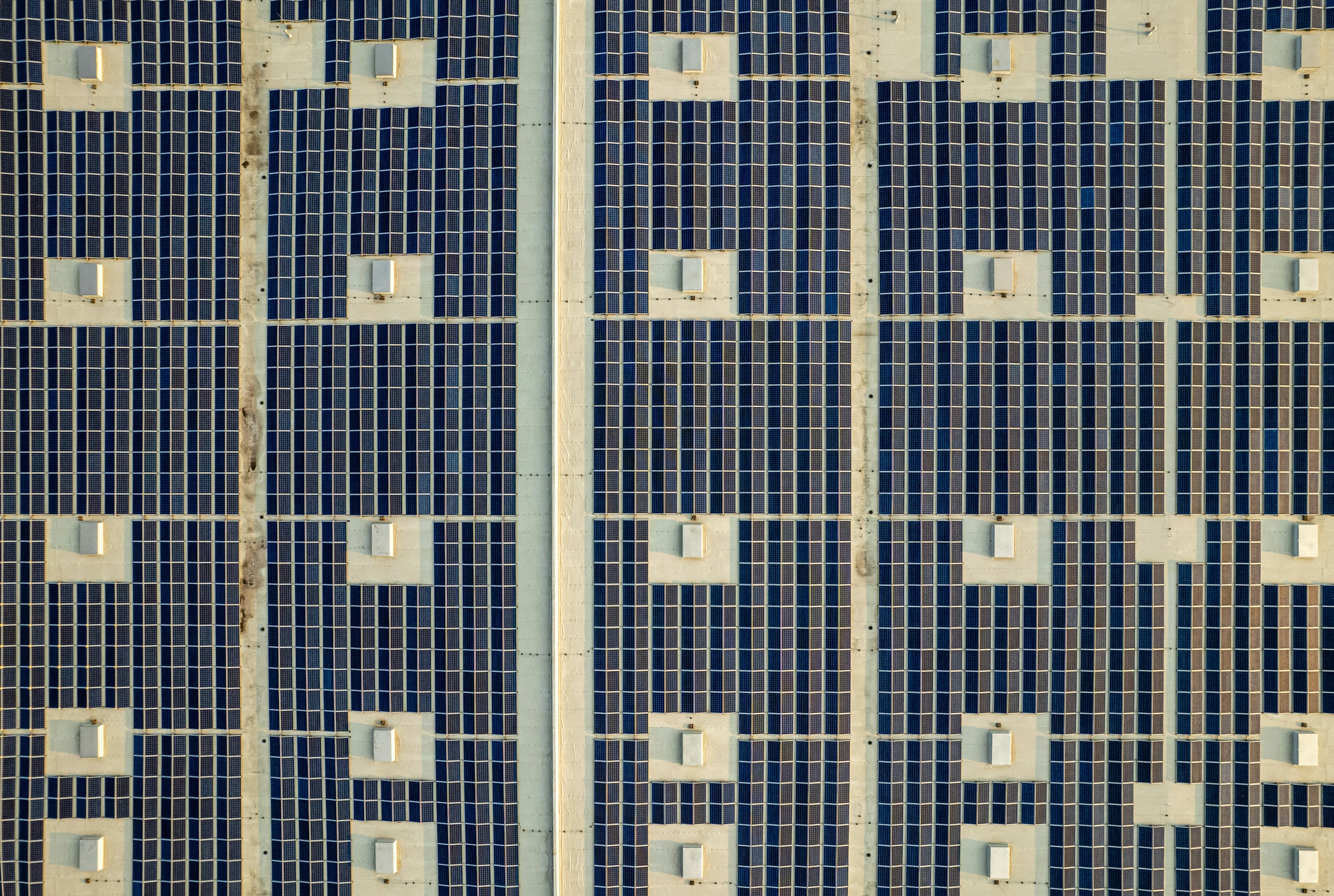
Solar Panel Critter Guard
Critter guard.
Protect the wiring under the panels.
Birds, squirrels, nesting debris, and chewed wiring can turn a working solar system into a roof, electrical, and production problem. EnergiSense reviews the array, roof access, visible damage, and right barrier path before quoting the work.
- Bird and squirrel barrier
- Wire and nesting review
- Panel cleaning path
- Roof-safe install check
What backs the quote
Checked at the property.
Reviewed before the visit.
Certified solar
PVIP · PV Installer · PV Designer
Master Elite roofing
Roof work around the array is handled by the same team.
Founder-led intake
Your request goes to Alex, not a lead aggregator or call center.
Decision factors
What actually decides
the right next step.
EnergiSense works through these points with the homeowner before quoting, so the proposal fits the actual property, utility account, warranty boundaries, and timeline.
01
Problem check
Animals under solar panels can leave nesting debris, block airflow, damage wiring, trigger production issues, and make roof service harder. EnergiSense starts with the existing system, roof condition, utility account, and timeline so the recommendation fits the property.
02
Scope separation
Solar, roofing, storage, removal, and repair work are separated in the proposal so the homeowner can see what is urgent and what can wait.
03
Roof and electrical review
Roof age, attachment risk, inverter location, panel layout, shutoff rules, and access are checked before promising a simple install or repair.
04
Utility math
PSEG, Con Edison, or local utility details are reviewed against the actual bill instead of generic New York savings claims.
05
Manufacturer path
Barrier material, attachment method, panel-frame contact, roof access, and any existing wire damage should be reviewed before installation so the work does not create a bigger warranty or service problem.
06
Next appointment
Critter guard work should separate prevention, cleanup, repair, and roof review before anyone clips a barrier onto the array. The intake asks for a quote path and preferred site-visit window so Alex can confirm scope and timing before the visit.
Service call
This is not a new solar sale. It is a homeowner service call.
The homeowner already owns solar or is about to protect a new array, so the next step is a practical service visit, not a sales pitch.
- Covers critter guards, bird proofing, pigeon proofing, and squirrel guards around the array.
- Simple prevention requests go to a quote; visible damage goes to maintenance or repair first.
- Ask for system age, panel count, photos from the ground, roof height, and whether production has changed.
- The work is practical: inspect the array perimeter, identify debris or wire damage, clean when needed, then install the right barrier.
Inspection sequence
What should be checked before a barrier goes on.
A weak critter-guard offer sells mesh. A complete service follows a sequence: inspect, document, clean, repair if needed, then install a barrier that fits the array and roof.
- Check for nesting debris, droppings, loose wiring, damaged conduit, panel-frame clearance, and roof access risk.
- Separate cleanup from repair so the homeowner knows whether the system needs electrical service first.
- Avoid drilling into panels or making roof changes that are not needed for the barrier scope.
- Document before-and-after photos so the homeowner can see what was protected.
Roof plus solar
Why a roof-and-solar team, not a pest-only vendor.
Animals under an array do not just create a pest problem. They can create roof-access issues, wire-management problems, leak concerns, and production loss. EnergiSense can review the solar and roof side together.
- Escalate to solar repair when wiring, optimizer, inverter, or production symptoms are found.
- Escalate to roof review when nests, debris, or access expose roof damage or leak risk.
- Escalate to cleaning when droppings or debris are affecting the array surface or gutters.
- Keep the homeowner in one quote flow instead of sending them between a solar company, a roofer, and a pest vendor.
Prevention vs repair
When critter guard is prevention and when it becomes service work.
| Factor | Prevention install | Damage review |
|---|---|---|
| Best fit | No visible damage, homeowner wants to block access before nesting starts. | Chewed wiring, debris, droppings, alerts, low production, or roof concern already present. |
| First proof | Panel count, roof access, array perimeter, and barrier fit. | Photos, production history, inverter alerts, visible wire/conduit damage, roof condition. |
| Best next step | Request critter guard quote and site visit. | Request maintenance or repair review before barrier install. |
Related paths
Related guidance
for the next decision.
References
Check the sources
behind this guidance.
These references support the practical buyer decisions on this page. EnergiSense still verifies the property, roof, utility account, warranty, and eligibility before quoting.
Solar Panel Critter Guard FAQ
Questions before
the appointment.
Does EnergiSense handle this kind of project?
Yes. EnergiSense reviews each request for project fit, roof condition, existing hardware, utility account details, and appointment timing before recommending the next step.
What information is needed for a quote?
The most useful starting points are the property zip code, current utility bill, roof age, photos of the system or roof when available, and whether the homeowner wants repair, replacement, removal, storage, or a new solar proposal.
Can this be combined with roof replacement or battery storage?
Often, yes. If the roof is aging or the utility account supports storage, EnergiSense can review the combined path while keeping roofing, solar, and battery pricing clear.
How does the appointment request work?
The quote flow captures the address, project type, preferred contact method, and preferred appointment window. Alex reviews the intake and follows up with the practical next step.
Quote + site visit
Request the quote.
Lock the next appointment.
EnergiSense reviews the project, confirms the right scope, and follows up with quote path and site-visit timing.