Incentives
PSEG Long Island net metering: how solar credits work
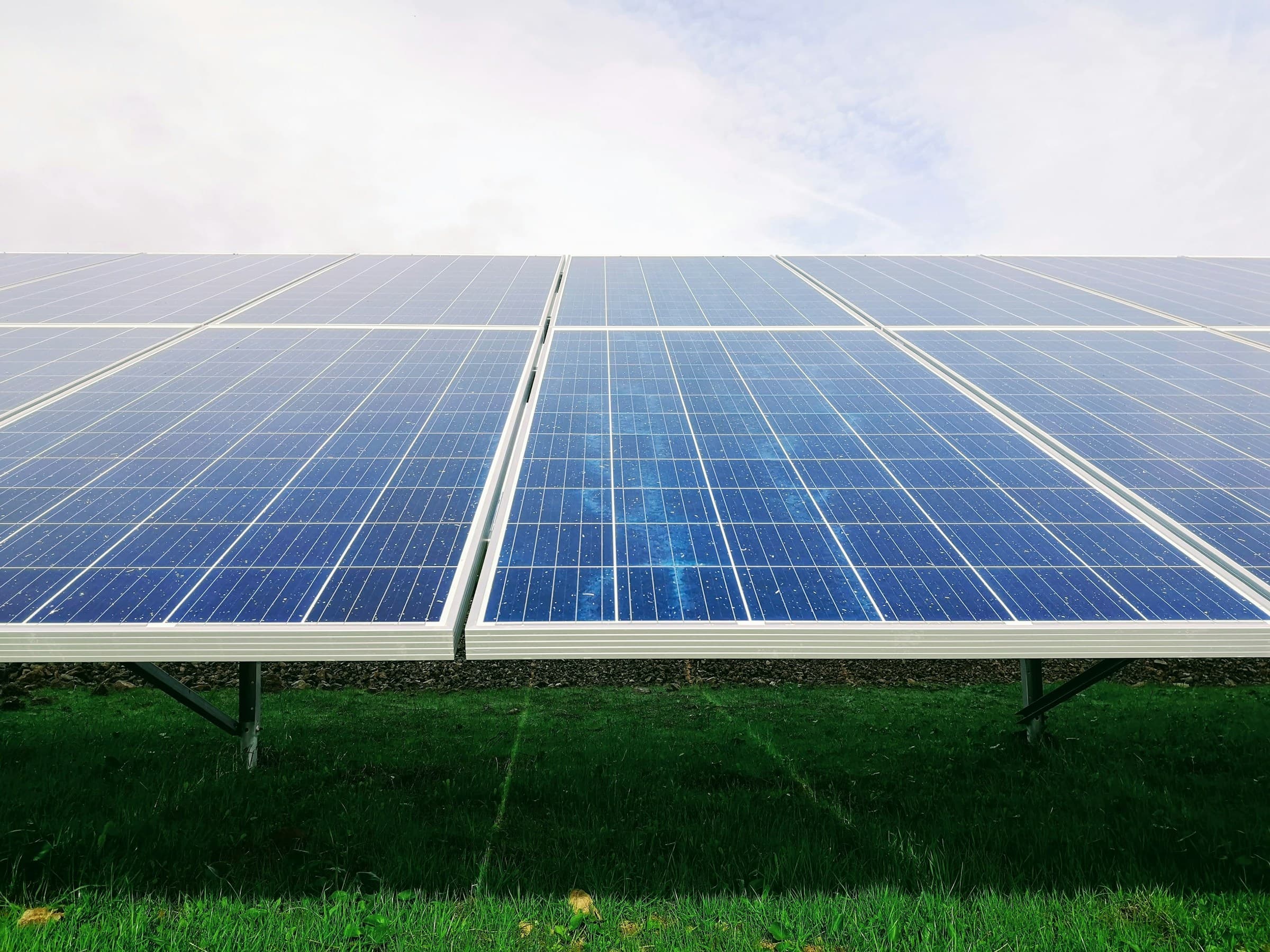
PSEG Long Island net metering is the utility math that makes Nassau and Suffolk residential solar work. Solar produces during the day, the home uses what it needs in real time, and the rest is exported to the grid. Under current PSEG residential net metering rules, every exported kWh creates a bill credit at the same retail rate the home would otherwise pay.
That sounds simple, but it is also where most homeowners get talked into the wrong system size. A solar quote that ignores last year's actual usage and instead 'fills the roof' is selling capital that may never produce credit at the full retail rate.
The right Long Island proposal starts from the bill, not the roof. Annual usage, peak demand, future EV or heat-pump load, roof orientation, shade, and battery economics should all be modeled before panel count is decided.
The numbers, with sources
1:1 retail
PSEG Long Island residential net metering credit ratio (current rules)
PSEG Long Island — Net Metering Tariff~$0.20–0.24/kWh
Typical Long Island residential retail electricity rate (drives credit value)
U.S. Energy Information Administration — NY State Profile110%
Typical sizing cap before excess generation drops to avoided-cost rate
NYSERDA NY-Sun Program Manual30%
Federal Residential Clean Energy Credit on qualifying solar through 2032
IRS — Residential Clean Energy Credit25%
New York State solar tax credit (capped at $5,000)
NY Department of Taxation and Finance — Form IT-25525–30 yrs
Modern PV system useful life (compounds NEM savings over decades)
U.S. Department of Energy — Homeowner Solar Guide
How PSEG residential net metering actually settles
Under current PSEG Long Island residential net metering, the meter records two numbers: kWh delivered (home consumed) and kWh received (solar exported). Each billing cycle nets them. If solar produced more than the home used that month, the excess kWh become bill credits that roll forward.
At the annual true-up, any remaining excess credits are settled at the lower wholesale or avoided-cost rate — not retail. That settlement is why oversizing past your actual annual usage is poor capital allocation: you build the array at retail-rate-justified cost but get paid back at wholesale.
Sizing the system to the bill, not the roof
A real Long Island solar proposal should show: last 12 months of kWh usage, the design annual production target (usually 90-105% of usage), the panel count and inverter size needed to hit that target with your specific roof orientation and shade, and an honest production estimate after derate.
Then it should explain why it stopped there. A 12 kW system on a 30,000 kWh-a-year home may make sense. A 12 kW system on a 9,000 kWh-a-year home is selling generation that settles at avoided-cost — money the homeowner will not see back.
| Annual home use | Reasonable system size | Why |
|---|---|---|
| 6,000–9,000 kWh | 4–6 kW | Small bills, smaller array; cash-payback faster. |
| 10,000–14,000 kWh | 7–9 kW | Typical Long Island 3-bed home without EV / heat pump. |
| 15,000–22,000 kWh | 10–13 kW | Larger home, gas heat replaced with heat pump, or one EV. |
| 23,000+ kWh | 13–18 kW + battery review | EV charging + heat pump + pool; consider battery for self-consumption. |
Battery storage on Long Island — when it pays
PSEG Long Island does not have a true time-of-use rate structure that pays a clear premium for battery discharge during peak hours for typical residential customers. That means most Long Island batteries are sold on backup-power value (resilience during outages), not arbitrage savings.
A battery still has incentive eligibility through NY-Sun and federal credits when paired with solar. The right question is whether the homeowner values backup of essential loads (fridge, well pump, modem, a few outlets) enough to justify the battery cost.
What changes for solar after a roof replacement
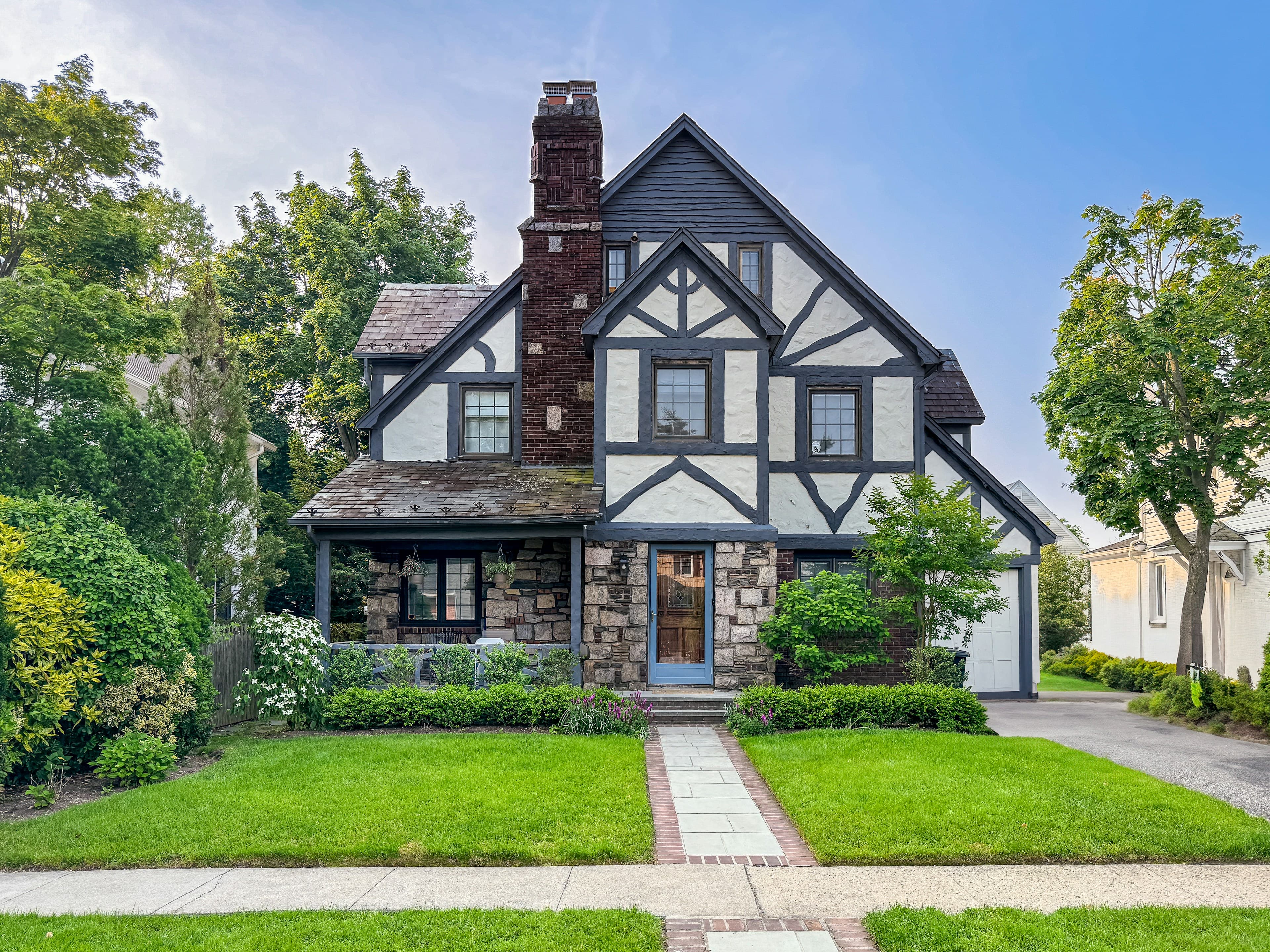
Long Island roofs are predominantly asphalt shingle. NRCA general guidance puts architectural shingle service life at 20-30 years. If your roof is past year 15-18 and you are going solar, the right move is roof-first or a coordinated bundle — not solar over a roof that needs work in five years.
A clean roof under a fresh array means PSEG bill credits compound through 25-30 years of solar production without a remove-and-reinstall job interrupting the math.
EnergiSense position — the Long Island playbook
EnergiSense models PSEG Long Island projects in this order: pull 12 months of actual bills, check the roof, size the array to usage with derate, model federal + state + NY-Sun incentives separately, then surface battery as a backup-power decision, not a savings claim.
For Nassau and Suffolk homeowners, the right proposal shows utility credit math against the homeowner's real bill, not a marketing average.
FAQs
Does PSEG Long Island still offer 1-to-1 net metering for residential solar?
Yes, under current PSEG Long Island residential net metering rules, exported solar kWh credit against the retail rate. Excess credits at annual true-up settle at the lower avoided-cost rate, which is why system sizing matters.
How big a solar system should I install on Long Island?
Size to your last 12 months of actual usage, typically 90 to 105 percent. Oversizing past your usage produces credits that settle at wholesale, not retail. A 12 kW system on a 9,000 kWh-a-year home is mostly capital wasted.
Will PSEG pay me a check for excess solar?
Generally no. Excess credits roll forward each month and any remaining at annual true-up are settled at avoided-cost, not retail. PSEG does not write a check at retail value for over-generation.
Is a battery worth it on Long Island under PSEG?
Usually for backup-power value, not bill arbitrage. PSEG Long Island residential rates do not currently offer a true peak/off-peak structure that pays meaningful spread for battery discharge. If you value resilience during outages, a battery makes sense; if you only care about bill savings, the math is weaker than in true time-of-use territories.
How long until solar pays back on Long Island?
Typical Long Island cash-purchase payback is 7-10 years given current PSEG retail rates (~$0.20-0.24/kWh) and the 30% federal credit plus 25% NY State credit. Financed payback is longer because of interest.
Does the NYC property tax abatement apply on Long Island?
No. The NYC solar / battery property tax abatement is borough-only (Brooklyn, Queens, Bronx, Manhattan, Staten Island). Long Island homeowners do not receive it. Long Island projects rely on federal, NY State, and NY-Sun incentives.
About the author
Alex Lubin
Founder, EnergiSense — Independent Solar Advisor
- NABCEP PV Installation Professional
- GAF Master Elite (top 2% of US roofing contractors)
- Long Island, NY since 2021
Alex Lubin founded EnergiSense on Long Island in 2021 to give New York homeowners one person — not a call center — who covers both the roof and the solar system end-to-end. He holds the NABCEP PV Installation Professional certification (the industry credential that separates trained installers from unlicensed operators) and his roofing crew is GAF Master Elite certified, the top 2% of US roofing contractors. Every install carries Alex's name and a 5.0 Google rating across 17 reviews.
Full founder storyNext best page
Filed under: Incentives
Get my quote